
Medical Disclaimer: This article is for informational purposes only and does not constitute medical advice. Always consult a qualified healthcare provider before starting any treatment.
Introduction
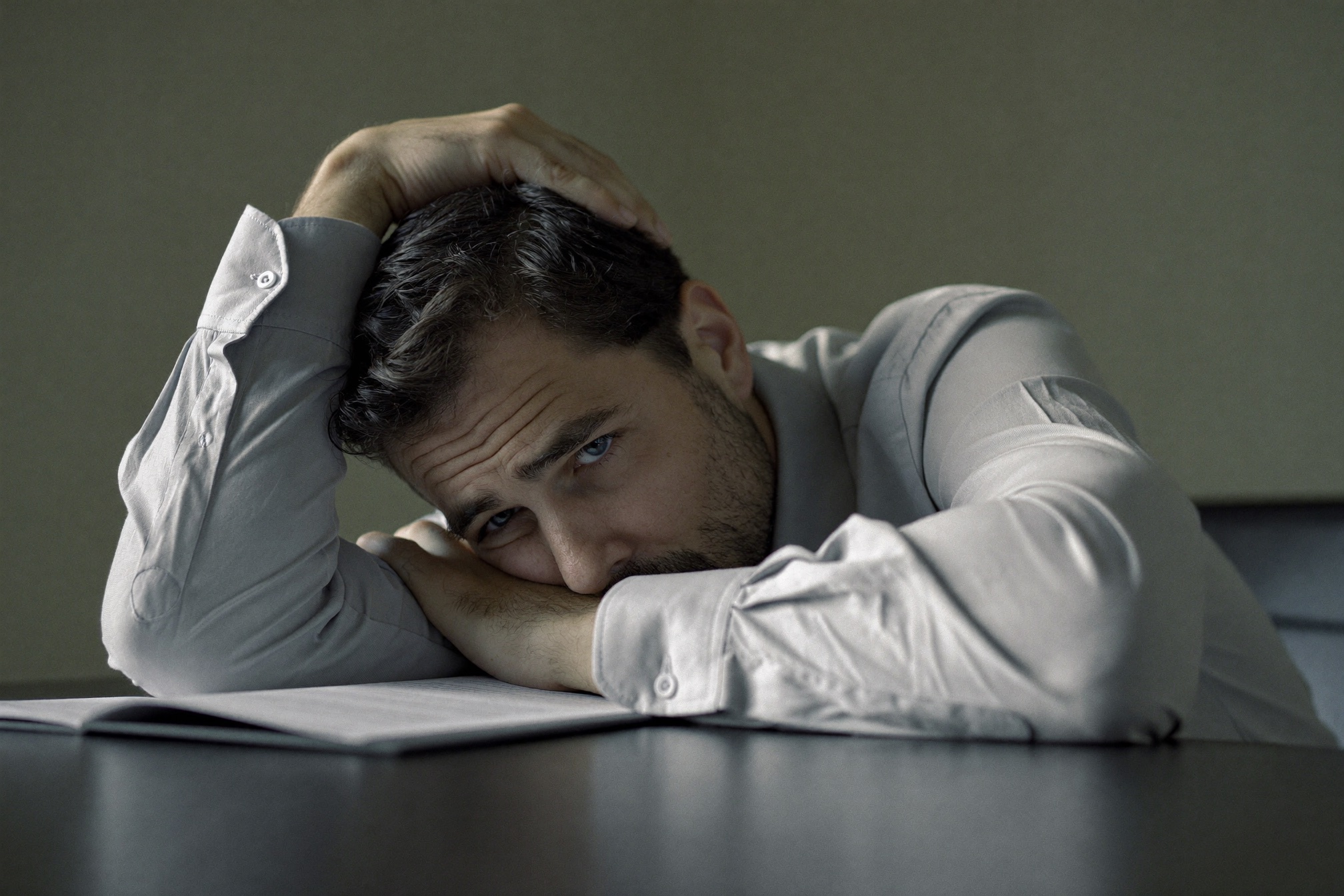
You used to wake up energized, motivated, and ready to take on the day. Now the alarm goes off and you feel like you barely slept. Your workouts feel harder, your mood is lower than it used to be, and things that once came easily — focus, drive, even your libido — seem to require more effort than they should. You might have chalked it up to stress, aging, or just "life." But there could be something more specific going on beneath the surface.
Testosterone, the primary male sex hormone, plays a critical role in everything from energy and muscle mass to mood, sexual function, and cognitive clarity. And for most men, levels of this essential hormone begin a slow but steady decline starting in their early 30s. By the time symptoms become noticeable, the drop may be significant enough to affect your quality of life in meaningful ways.
This article explains how and why testosterone declines with age, what that process looks like biologically, how to recognize the symptoms, how to get properly diagnosed, and what your treatment options are — including testosterone replacement therapy (TRT).
The Testosterone Connection
Testosterone is produced primarily in the testes, with a smaller amount coming from the adrenal glands. Its production is regulated by a feedback loop involving the brain: the hypothalamus releases gonadotropin-releasing hormone (GnRH), which signals the pituitary gland to release luteinizing hormone (LH), which in turn signals the testes to produce testosterone.
This system works efficiently in young men, typically maintaining peak testosterone levels between the late teens and mid-20s. After that, the process begins to change. Research consistently shows that testosterone levels decline at a rate of approximately 1% to 2% per year after age 30. This gradual decline is often referred to as andropause or, more clinically, late-onset hypogonadism.
The reasons for this decline are multifactorial. The testes become less responsive to LH signals over time. The hypothalamus and pituitary may also become less efficient at sending those signals. Additionally, levels of sex hormone-binding globulin (SHBG) — a protein that binds to testosterone and makes it unavailable for the body to use — tend to increase with age, further reducing the amount of free testosterone available to tissues.
The result is that even if total testosterone remains within a "normal" lab range, free testosterone can be meaningfully reduced, contributing to symptoms that affect everyday life.
How Common Is This Among Men?
Low testosterone, or hypogonadism, is more prevalent than many men realize. According to research published in peer-reviewed journals, clinically low testosterone affects an estimated 2% to 6% of men overall, with rates climbing sharply with age. Studies suggest that approximately 20% of men over 60, 30% of men over 70, and up to 50% of men over 80 may have testosterone levels below the clinical threshold for hypogonadism.
However, when subclinical low testosterone — levels that are technically within range but at the lower end — is taken into account, the number of men experiencing symptoms attributable to declining testosterone is considerably higher. Many men go undiagnosed for years simply because they normalize their symptoms or because routine checkups don't include hormone panels.
Other Causes to Rule Out
While age-related testosterone decline is common, symptoms like fatigue, low libido, mood changes, and weight gain can have multiple causes. Before attributing everything to low T, a good clinician will help you rule out other contributing factors, including:
- Sleep disorders — Poor sleep, including obstructive sleep apnea, significantly suppresses testosterone production.
- Thyroid dysfunction — Both hypothyroidism and hyperthyroidism can mimic low testosterone symptoms.
- Depression and anxiety — These conditions share overlapping symptoms and may exist alongside or independent of low T.
- Metabolic syndrome and obesity — Excess body fat, particularly visceral fat, converts testosterone into estrogen through a process called aromatization, lowering effective testosterone levels.
- Medications — Opioids, corticosteroids, and some antidepressants can suppress testosterone production.
- Nutritional deficiencies — Low vitamin D, zinc, and magnesium have all been associated with reduced testosterone levels.
- Chronic illness — Conditions such as type 2 diabetes, cardiovascular disease, and chronic kidney or liver disease can affect hormone regulation.
Addressing these underlying factors, where possible, is an important part of any comprehensive treatment approach.
Getting Diagnosed
The first step toward understanding whether low testosterone is a factor in how you're feeling is proper testing. Here is what to ask your doctor for:
Key Blood Tests
- Total testosterone — The most common starting point. Results below 300 ng/dL are generally considered low, though optimal ranges for symptom relief may differ by individual.
- Free testosterone — Measures the biologically active portion not bound to SHBG. This is critical, as normal total T with low free T can still cause symptoms.
- Sex hormone-binding globulin (SHBG) — Elevated SHBG reduces the amount of usable testosterone in your bloodstream.
- LH and FSH — These pituitary hormones help identify whether the problem originates in the testes (primary hypogonadism) or the brain (secondary hypogonadism).
- Estradiol (E2) — Important to assess estrogen balance, particularly if TRT is being considered.
- Complete blood count (CBC) — Testosterone can affect red blood cell production, so baseline levels are important.
- PSA (prostate-specific antigen) — Relevant for men over 40 as a safety baseline before starting TRT.
Testing is best done in the morning, when testosterone levels are naturally at their highest. A single result should generally be confirmed with a second test before a diagnosis is made.