This article is for informational purposes only and does not constitute medical advice. Always consult a qualified healthcare provider.
Introduction
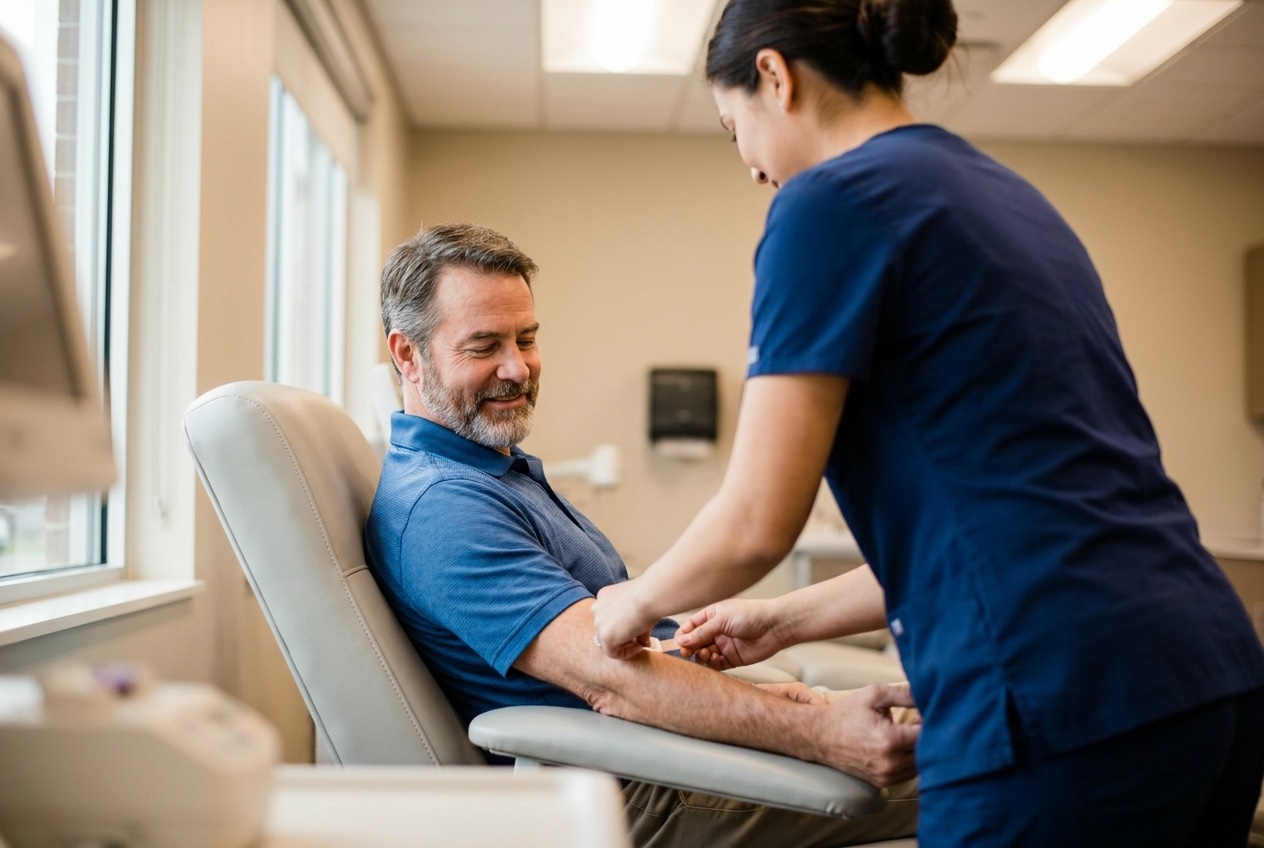
If you've been researching testosterone replacement therapy, you've probably already hit a wall of confusing terminology — total testosterone, free testosterone, SHBG, hematocrit. Before any reputable clinic prescribes TRT, they will require a specific panel of blood tests. These tests aren't just a formality. They confirm whether you're genuinely a candidate for treatment, establish your baseline, and protect your long-term health. Understanding which tests you need — and why — puts you in a stronger position when you speak with a provider.
The Short Answer
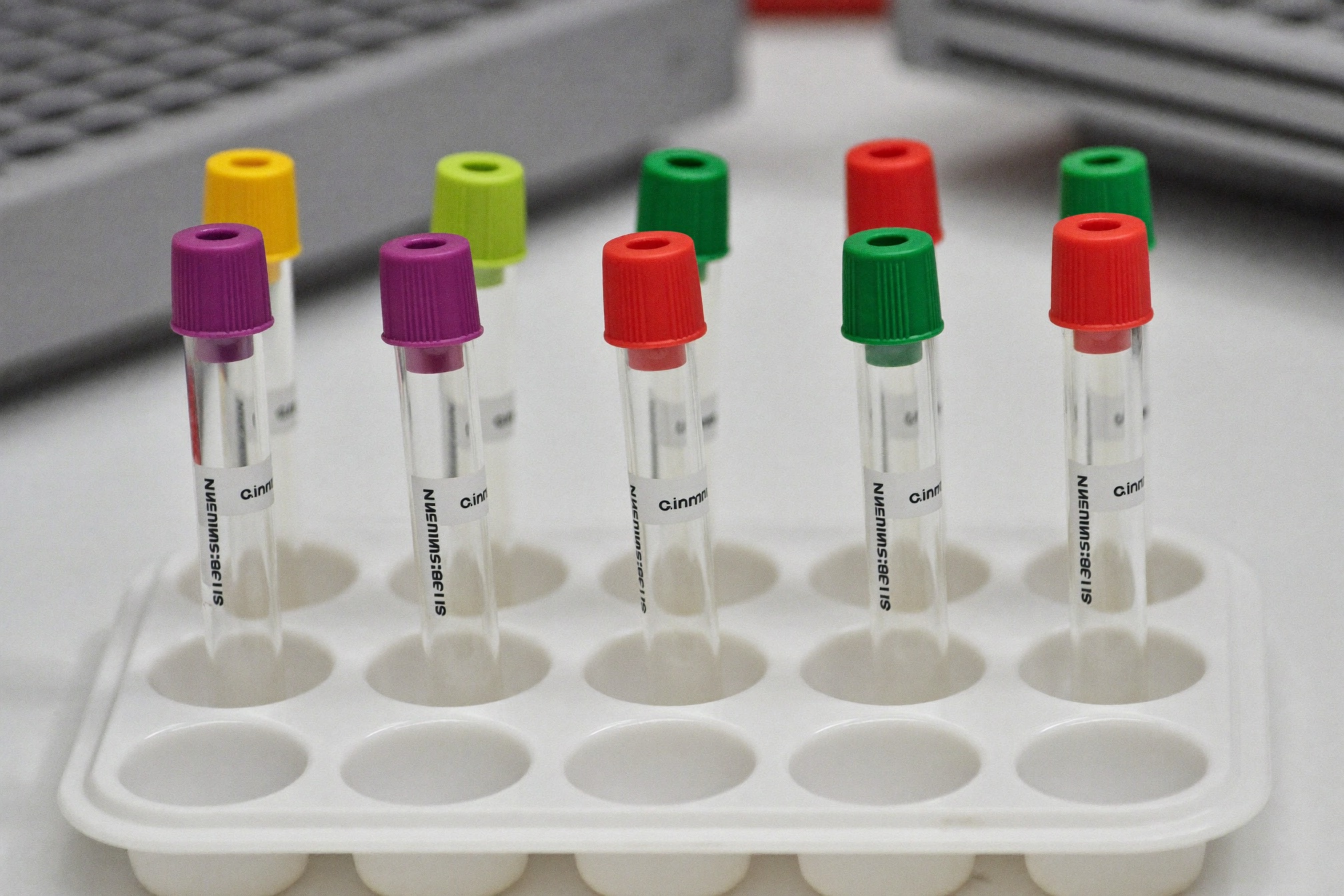
At a minimum, you will need a blood test measuring your total testosterone and free testosterone levels. Most qualified providers also require a comprehensive metabolic panel (CMP), a complete blood count (CBC), and levels of luteinizing hormone (LH) and follicle-stimulating hormone (FSH) to understand why your testosterone may be low. Sex hormone-binding globulin (SHBG) is typically included as well, because it directly affects how much testosterone your body can actually use.
Beyond those core markers, most clinics will also check your estradiol (E2), PSA (prostate-specific antigen), and hematocrit or hemoglobin levels before starting therapy. These tests protect you from risks associated with TRT and help your provider personalize your protocol. Results are usually available within a few days, and a consultation follows to review what they mean for you.
The Details
Understanding each test in your panel helps you become an informed participant in your own care — not just a passive patient.
Total Testosterone
This measures all testosterone circulating in your blood, both bound and unbound. Most labs flag levels below 300 ng/dL as low, though symptoms often guide clinical decisions as much as numbers do. A single low reading isn't always enough; many providers require two separate measurements taken in the morning, when testosterone peaks naturally.
Free Testosterone
Only a small percentage of testosterone in the blood is "free" — meaning unbound and biologically active. You can have a total testosterone level that looks acceptable on paper while your free testosterone is critically low due to elevated SHBG. Free testosterone testing fills that gap and is essential for an accurate clinical picture.
SHBG (Sex Hormone-Binding Globulin)
SHBG is a protein that binds to testosterone and renders it inactive. High SHBG reduces the amount of free, usable testosterone regardless of how much total testosterone you produce. Knowing your SHBG level helps your provider determine the right dosing strategy and understand the root cause of your symptoms.
LH and FSH
Luteinizing hormone and follicle-stimulating hormone are produced by the pituitary gland and signal the testes to produce testosterone and sperm. Low LH and FSH alongside low testosterone suggests a problem originating in the brain (secondary hypogonadism). High LH and FSH with low testosterone points to a problem in the testes themselves (primary hypogonadism). This distinction can influence treatment decisions significantly.
Estradiol (E2)
Men convert some testosterone to estrogen through a process called aromatization. If estradiol is too high before starting TRT — or climbs too high during treatment — it can cause side effects including water retention, mood changes, and reduced libido. Baseline E2 testing is standard practice at reputable clinics.
Complete Blood Count (CBC)
TRT can stimulate red blood cell production, which increases hematocrit. At elevated levels, thicker blood raises the risk of clotting. A CBC before treatment establishes your baseline and is typically repeated every few months during active therapy to monitor for polycythemia.
Comprehensive Metabolic Panel (CMP)
The CMP checks kidney and liver function, blood glucose, and electrolytes. Certain liver conditions or metabolic disorders may affect how your body processes testosterone or the medications sometimes used alongside it.
PSA (Prostate-Specific Antigen)
PSA is a biomarker used to screen for prostate issues. While current evidence does not show that TRT causes prostate cancer, it may accelerate the growth of an existing undetected cancer. A baseline PSA — particularly for men over 40 — is considered standard of care before initiating therapy.
Thyroid Panel and Prolactin (Often Recommended)
Some clinics also include a thyroid-stimulating hormone (TSH) test and prolactin level. Elevated prolactin from a pituitary tumor (prolactinoma) is a known cause of secondary hypogonadism. Thyroid dysfunction can mimic many symptoms of low testosterone. Ruling these out ensures you're treating the right problem.
Key Factors That Affect the Answer
- Your age: Men over 40 are more likely to receive a full panel including PSA. Younger men may also receive fertility-related testing.
- Your symptoms: If you present with symptoms suggesting a pituitary issue — such as headaches or vision changes — additional hormonal testing may be ordered.
- Your medical history: Pre-existing conditions like diabetes, sleep apnea, obesity, or liver disease may prompt additional markers.
- Fertility concerns: Men who want to preserve fertility will need FSH and sperm analysis, since TRT suppresses natural sperm production.
- The clinic you choose: Standards vary. A thorough, reputable clinic will run a comprehensive panel. Be cautious of any provider willing to prescribe TRT based on symptoms alone without bloodwork.