FAQ
Can You Build Muscle on TRT?
Reviewed by: TRT Locator's Medical Advisory Board.
2026
·
7 min read
This article is for informational purposes only and does not constitute medical advice. Always consult a qualified healthcare provider before starting or changing any hormone therapy.
Introduction
Testosterone replacement therapy (TRT) is primarily prescribed to address the symptoms of low testosterone — fatigue, low libido, brain fog, and diminished motivation. But one of the most common questions men ask before starting treatment is whether TRT will also help them build muscle. It is a reasonable question. Testosterone is the body's primary anabolic hormone, after all. Understanding the relationship between TRT and muscle growth can help you set realistic expectations and make the most of your therapy.
The Short Answer
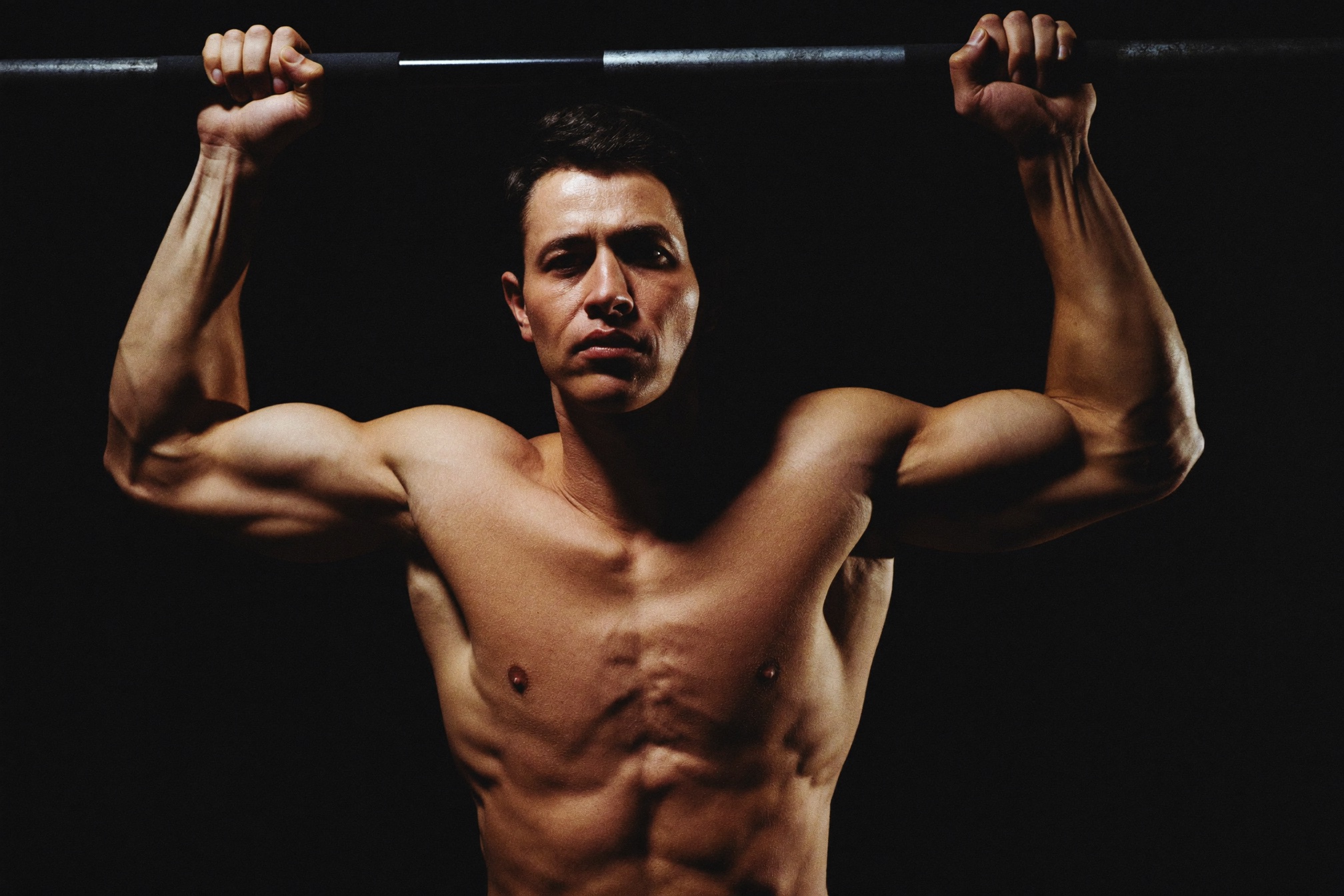
Yes — men on TRT can build muscle, and most do experience meaningful improvements in lean body mass over time. Testosterone plays a central role in muscle protein synthesis, the biological process by which your body repairs and grows muscle tissue after exercise. When your testosterone levels are chronically low, this process is blunted, making it significantly harder to gain or even maintain muscle regardless of how hard you train or how well you eat.
Restoring testosterone to a healthy, physiological range through TRT removes that hormonal roadblock. Most men report noticeable improvements in body composition within three to six months — less fat, more muscle, and better recovery between workouts. However, TRT is not a shortcut. It works best when combined with consistent strength training and sound nutrition.
It is also worth clarifying what TRT is not: it is not the same as the supraphysiological doses of testosterone used in competitive bodybuilding. TRT aims to restore your levels to what is normal for a healthy adult male — roughly 400 to 700 ng/dL in most clinical contexts — not to push them far beyond that ceiling. The muscle-building benefits are real and significant, but they are proportional to that goal.
The Details
Testosterone influences muscle mass through several overlapping mechanisms. It increases the rate of muscle protein synthesis, promotes the release of growth hormone and IGF-1, reduces the catabolic effects of cortisol, and enhances neuromuscular efficiency — meaning your muscles contract more forcefully and recover faster.
When a man's testosterone is clinically low (typically defined as below 300 ng/dL), each of these pathways underperforms. Muscles break down faster than they rebuild. Fat accumulates more easily, particularly around the abdomen. Energy levels drop, making consistent training harder to maintain. TRT addresses all of these issues at the root level by restoring the hormonal environment in which muscle growth becomes possible again.
Research consistently shows that men who bring low testosterone back into the normal range experience increases in lean muscle mass and decreases in fat mass — even without dramatically changing their exercise or diet habits. When structured resistance training and adequate protein intake are added to the equation, those results compound meaningfully.
Key Factors That Affect the Answer
Not every man on TRT experiences the same degree of muscle gain. Several variables influence how significant your results will be:
- Starting testosterone level: Men with severely low testosterone tend to see the most dramatic changes in body composition because they have the most ground to recover.
- Age: Younger men generally respond more robustly to increases in testosterone. Older men still benefit, but gains may be more gradual.
- Training consistency:
TRT creates favorable conditions for muscle growth — it does not replace the stimulus that exercise provides. Regular resistance training, ideally two to four sessions per week, is essential for maximizing results.
- Protein intake: Muscle repair requires amino acids. Consuming adequate dietary protein — typically 0.7 to 1.0 grams per pound of body weight per day — is critical.
- Dosing and optimization: The goal of TRT is to bring testosterone into an optimal range, not just to clear the clinical low threshold. Working with an experienced provider who monitors and adjusts your protocol matters.
- Overall health: Conditions such as insulin resistance, thyroid dysfunction, or sleep apnea can limit how well your body responds to TRT even when hormone levels are corrected.
- Lifestyle factors: Quality sleep, stress management, and avoiding excessive alcohol all influence how effectively your body uses the testosterone TRT provides.
What Experts and Research Say
The scientific literature on testosterone and muscle mass is robust and consistent. Multiple controlled studies have demonstrated that testosterone administration in hypogonadal men produces significant increases in lean body mass and decreases in fat mass — with results scaling upward when resistance exercise is incorporated.
A widely cited landmark study published in the New England Journal of Medicine found that testosterone supplementation increased muscle size and strength in a dose-dependent manner in healthy men, even those who did not exercise. Men who combined testosterone with resistance training saw the greatest gains of all groups studied.
Endocrinology and urology professional organizations — including the American Urological Association and the Endocrine Society — recognize testosterone therapy as an effective intervention for men with clinically confirmed hypogonadism, noting improvements in body composition among the documented benefits. Experts emphasize that ongoing monitoring and individualized dosing are key to safe, effective outcomes.
Common Misconceptions
Misconception 1: TRT will make you look like a bodybuilder
TRT restores testosterone to a normal physiological range. The extreme muscle mass seen in competitive bodybuilding requires supraphysiological doses far above what TRT provides, combined with intensive training programs and often additional compounds. TRT helps you reclaim a healthy, lean physique — not an exaggerated one.
Misconception 2: You do not need to exercise on TRT
Testosterone creates the conditions for muscle growth — it does not replace the training stimulus that actually triggers it. Without progressive resistance exercise, gains will be modest at best. Think of TRT as restoring the engine; training and nutrition are still the fuel.
Misconception 3: Results happen immediately
Most men begin noticing improvements in energy and mood within the first four to six weeks. Visible changes in body composition — more muscle, less fat — typically take three to six months to become apparent. Patience and consistency are essential.
Misconception 4: TRT is only for elderly men
Low testosterone can affect men at any age, including men in their twenties and thirties. The appropriateness of TRT is determined by lab values, symptoms, and clinical evaluation — not by age alone.
Related Questions
How long does it take to build muscle on TRT?
Most men notice improvements in energy and workout recovery within the first four to eight weeks. Meaningful changes in lean muscle mass typically become visible within three to six months, with continued progress over one to two years when training and nutrition are consistent.
Do you have to lift weights on TRT to build muscle?
While TRT does improve body composition even without exercise, resistance training is by far the most effective way to maximize muscle growth on TRT. Weight training provides the mechanical stimulus that signals muscles to grow — testosterone then amplifies the body's response to that signal.
Can TRT help with fat loss as well as muscle gain?
Yes. Testosterone therapy reliably reduces fat mass — particularly visceral abdominal fat — in hypogonadal men. Improvements in lean muscle mass also raise resting metabolic rate, which contributes further to long-term fat loss.
Is TRT safe for long-term use?
When properly monitored by a qualified provider, TRT has a well-established long-term safety profile for men with clinically confirmed low testosterone. Regular blood work, including hematocrit, PSA, and hormone panels, is standard practice to ensure ongoing safety.
Will I lose the muscle I gain if I stop TRT?
If TRT is discontinued, testosterone levels will return to their previous low baseline, and the favorable hormonal environment for muscle maintenance will diminish. Some loss of the gains made during therapy is likely over time without continued treatment or a medically supervised transition plan.
Bottom Line
Yes — men on TRT can and do build muscle. By restoring testosterone to a healthy physiological range, TRT removes a significant hormonal barrier that prevents many men from responding fully to exercise and nutrition. The results are real, backed by research, and meaningful for quality of life — more lean muscle, less body fat, better recovery, and renewed energy to train consistently.
The key is combining TRT with a structured resistance training program, adequate protein intake, quality sleep, and an experienced clinical provider who monitors and optimizes your protocol over time. TRT is not a magic bullet, but for men with clinically low testosterone, it is often the missing piece that makes everything else work again.
Ready to find out if TRT is right for you? Explore qualified TRT clinics near you and take the first step toward restoring your hormonal health. Find a TRT clinic at TRTLocator.com.
This article is for informational purposes only and does not constitute medical advice. Always consult a qualified healthcare provider before beginning any hormone therapy.
Find a TRT clinic near you →