
Finding the right provider for testosterone replacement therapy is one of the most important decisions you will make about your health. The 2026 landscape gives you more options than ever, from primary care to specialized telehealth clinics. This guide will help you choose the right path.
Which Type of Doctor Should You See
Several types of physicians can prescribe testosterone, and each has different strengths.
Primary care physicians are often the easiest place to start. Many are comfortable diagnosing and treating uncomplicated low testosterone, and most accept insurance. If your case is straightforward, a good family medicine doctor can handle it.
Endocrinologists specialize in hormones and are the right choice if you have complex underlying causes, such as pituitary disorders, secondary hypogonadism, or coexisting thyroid or adrenal issues.
Urologists focus on male reproductive health, including fertility considerations that often come up with TRT. If you want to preserve fertility while treating low testosterone, a urologist is often the best choice.
Men's health clinics are dedicated to testosterone optimization and related issues. They typically offer faster scheduling, streamlined lab work, and physicians who treat TRT every day.
Telehealth TRT providers like Hims, Hone, and Defy Medical offer online evaluations and can prescribe testosterone. They are convenient, often less expensive than in person specialty visits, and well suited to stable patients who do not need hands on care.
How to Search for a Provider
Several tools make finding a TRT doctor straightforward in 2026. Use the TRT Locator directory to find providers in your area with patient reviews and treatment details. Check your insurance company's provider directory, filtering by endocrinology or urology, and confirm they are accepting new patients. Use general physician finders like Zocdoc, Healthgrades, or Vitals, then read reviews specifically mentioning TRT or hormone therapy. Ask your primary care doctor for a referral — even if they do not treat TRT directly, they often know which local specialists handle it well.
What to Expect at the First Visit
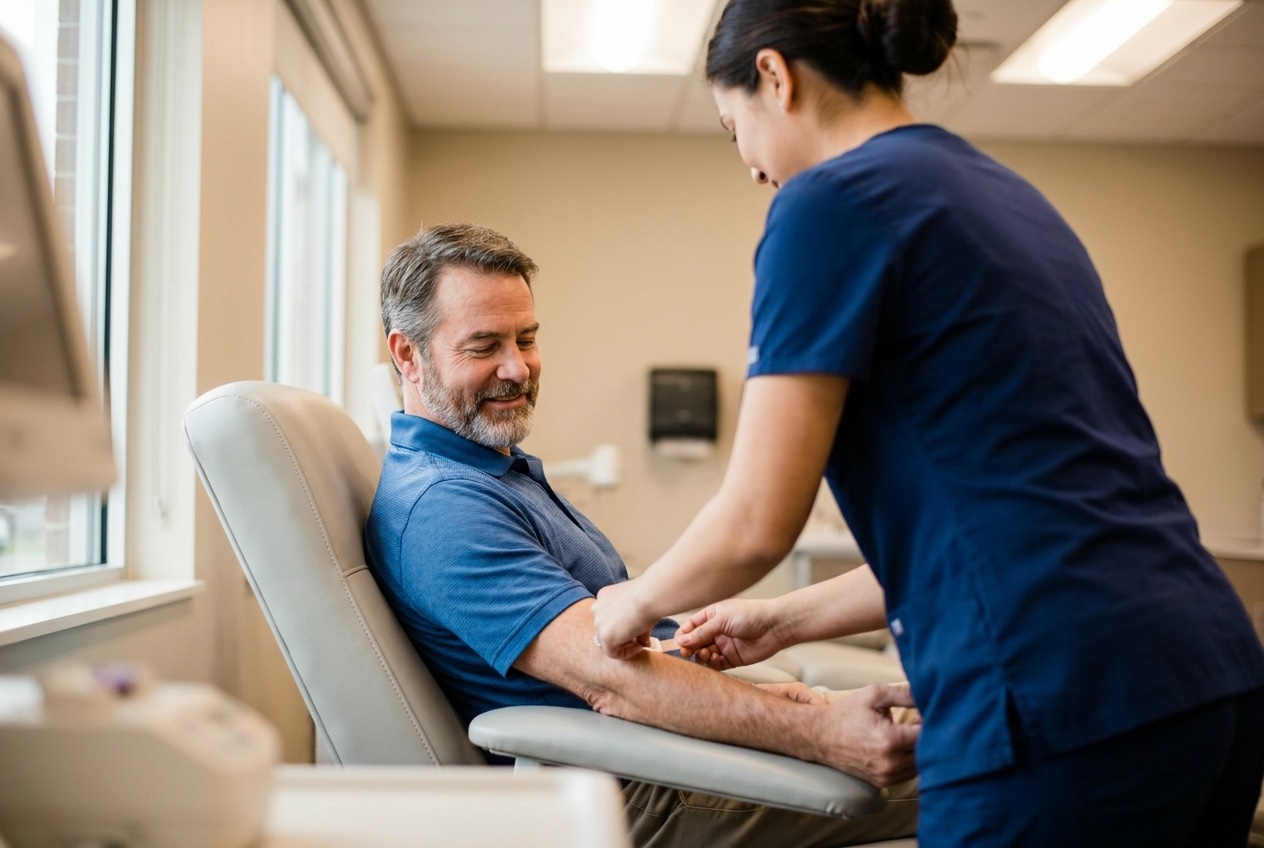
A reputable provider will not write a testosterone prescription on the first visit without lab evidence. Expect a detailed symptom review covering energy, mood, libido, erectile function, sleep, and physical changes. Your provider will also take a full medical history including heart disease, prostate issues, sleep apnea, and family fertility plans, and order a morning blood draw measuring total testosterone, free testosterone, LH, FSH, prolactin, estradiol, hematocrit, and PSA. Most guidelines require two morning testosterone tests on different days to confirm low levels, with most labs considering levels below 300 ng/dL as low (Medfinder, 2026).
Red Flags to Avoid
Be cautious of any clinic that prescribes testosterone without confirming low levels through blood work, skips ongoing monitoring of hematocrit, PSA, and estradiol after starting therapy, pushes pellet implants or high dose regimens without discussing alternatives, will not coordinate with your primary care doctor or share lab results, or charges large upfront fees for membership before any clinical work is done.