FAQ
Natural Ways to Boost Testosterone
Reviewed by: TRT Locator's Medical Advisory Board.
2026
·
8 min read
This article is for informational purposes only and does not constitute medical advice. Always consult a qualified healthcare provider before making changes to your health regimen.
Introduction
If your energy is low, your motivation has flatlined, and your body composition seems to be shifting in the wrong direction despite your best efforts, low testosterone may be a factor. It is one of the first questions men ask when they start researching their symptoms: can I raise my testosterone naturally? The answer is nuanced. Lifestyle changes can meaningfully support healthy testosterone levels, but they are not equally effective for every man — and for those with clinically low testosterone, natural methods alone are rarely sufficient. Understanding the difference is critical.
The Short Answer
Yes, certain lifestyle habits genuinely support healthy testosterone production. Resistance training, quality sleep, maintaining a healthy body weight, managing chronic stress, and getting adequate micronutrients like zinc and vitamin D all have evidence behind them. These are not placebo effects — they represent real physiological levers that influence how much testosterone your body produces.
However, the degree of improvement is limited. For a man with naturally declining testosterone due to age, or for someone with clinically diagnosed hypogonadism, lifestyle optimization rarely restores levels to a healthy range on its own. Think of it this way: if your testosterone is at 250 ng/dL, the best sleep of your life might bring it to 310 ng/dL. That is progress, but it still leaves you well below the optimal range of 400–700 ng/dL that most men feel and function best at.
Natural strategies work best as a foundation — and they remain important even for men on testosterone replacement therapy (TRT). But if your levels are clinically low, they are unlikely to be the complete solution.
The Details
Testosterone production is regulated by the hypothalamic-pituitary-gonadal (HPG) axis, a feedback loop involving your brain and testes. Several everyday behaviors directly disrupt or support this system.
Resistance Training and Exercise
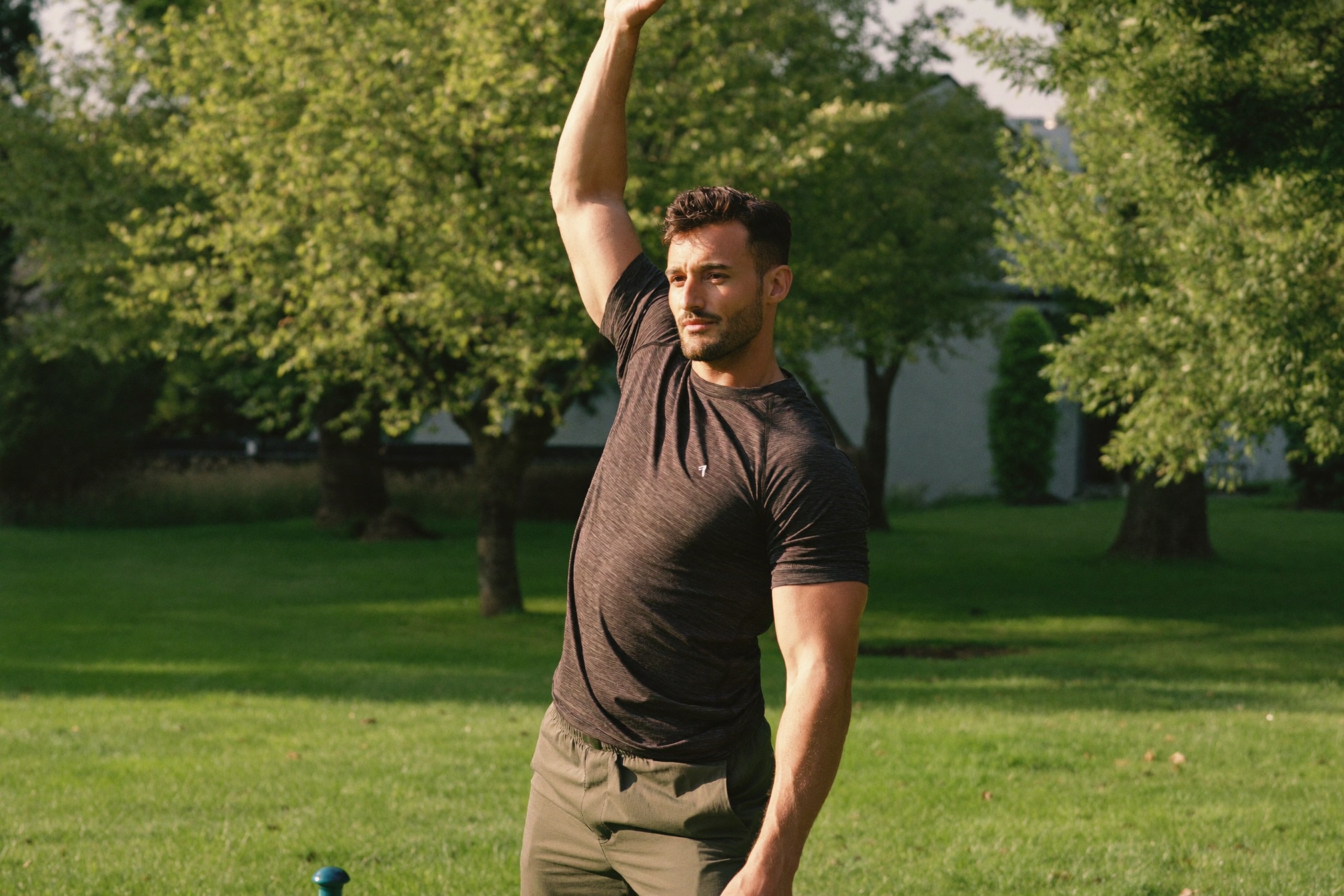
Compound, heavy resistance training — squats, deadlifts, bench press — produces acute spikes in testosterone and over time supports higher baseline levels. High-intensity interval training (HIIT) also shows benefit. Conversely, excessive endurance training without adequate recovery can suppress testosterone, particularly in men who are underfueling.
Sleep Quality and Duration
The majority of testosterone is produced during deep sleep. Studies show that reducing sleep from eight hours to five hours for just one week can lower daytime testosterone levels by 10 to 15 percent. Poor sleep quality — including sleep apnea, which is common and underdiagnosed in men — is one of the most underappreciated causes of low testosterone.
Body Composition
Adipose tissue, particularly visceral fat around the abdomen, contains an enzyme called aromatase that converts testosterone into estrogen. The more visceral fat a man carries, the more testosterone is converted and the lower his free testosterone tends to be. Losing excess body fat is one of the most impactful natural interventions available, though it creates a difficult cycle — low testosterone makes fat loss harder, and excess fat suppresses testosterone further.
Stress and Cortisol
Cortisol, the primary stress hormone, directly antagonizes testosterone. Chronic psychological stress, overtraining, or poor recovery keeps cortisol elevated and testosterone suppressed. Stress management strategies — whether structured mindfulness, adequate rest days, or simply addressing the sources of chronic stress — have measurable hormonal effects.
Nutrition and Key Micronutrients
Severe caloric restriction and very low-fat diets both suppress testosterone. Healthy dietary fats are precursors to steroid hormones, including testosterone. Zinc and vitamin D are the two micronutrients with the strongest evidence for supporting testosterone production — deficiency in either is associated with lower levels, and correcting a deficiency can produce meaningful improvement.
Key Factors That Affect the Answer
- Your baseline testosterone level: Men with borderline-low levels have more to gain from lifestyle changes than men with severely low levels.
- Your age: Testosterone declines by roughly one to two percent per year after age 30. Natural strategies slow the decline but cannot fully reverse the trend of aging.
- Underlying health conditions: Sleep apnea, obesity, type 2 diabetes, and certain medications all suppress testosterone and must be addressed directly.
- Genetic factors: Some men are simply predisposed to lower testosterone production regardless of lifestyle. Genetics influence both total and free testosterone levels.
- Current lifestyle baseline: A sedentary, sleep-deprived man eating a poor diet has significant room for natural improvement. A man already sleeping eight hours, lifting four times per week, and eating well has far less room to gain through lifestyle alone.
What Experts and Research Say
The clinical literature is consistent: lifestyle interventions support testosterone but rarely normalize it in men with true hypogonadism. A systematic review published in the Journal of Urology found that weight loss in obese men produced statistically significant increases in testosterone, averaging 2.9 ng/dL per unit of BMI lost. Research published in the Journal of Clinical Endocrinology and Metabolism confirmed the dose-response relationship between sleep duration and testosterone levels.
Endocrinologists and urologists generally recommend lifestyle optimization as a first step — or as a concurrent strategy alongside TRT — but they are clear that for men with testosterone below 300 ng/dL combined with symptomatic complaints, lifestyle changes alone are unlikely to close the gap. The Endocrine Society's clinical guidelines support initiating TRT in men with consistently low levels and confirmed symptoms, independent of whether lifestyle factors have been addressed.
Common Misconceptions
"Testosterone boosters" sold in supplement stores work.
The overwhelming majority of supplements marketed as testosterone boosters have no meaningful clinical evidence. Some, like zinc or vitamin D, are genuinely useful — but only if you are actually deficient. Marketing language like "supports healthy testosterone levels" is not the same as raising testosterone in a man who is already deficient. Be skeptical of any supplement claiming dramatic hormonal effects without peer-reviewed clinical data.
Cold showers boost testosterone significantly.
Cold exposure has legitimate physiological benefits for recovery and mood, but its direct effect on testosterone is minimal and not clinically significant. This claim is popular online but is not supported by strong evidence.
Fasting or specific diets can reverse low testosterone.
Intermittent fasting and various dietary protocols may modestly support testosterone in the context of overall metabolic health, but no diet reverses hypogonadism. Extreme fasting can actually suppress testosterone by signaling a state of stress and energy deprivation to the body.
If you fix your lifestyle, you won't need TRT.
This is a comforting idea that isn't supported by evidence for men with true hormonal deficiency. Lifestyle is foundational, but it does not replace medical treatment when treatment is clinically indicated.
Related Questions
How long does it take for lifestyle changes to affect testosterone?
Meaningful changes in testosterone can be observed in as little as three to six weeks with consistent improvements to sleep, exercise, and nutrition. However, full adaptation takes three to six months of sustained behavior change.
Can I check my testosterone at home?
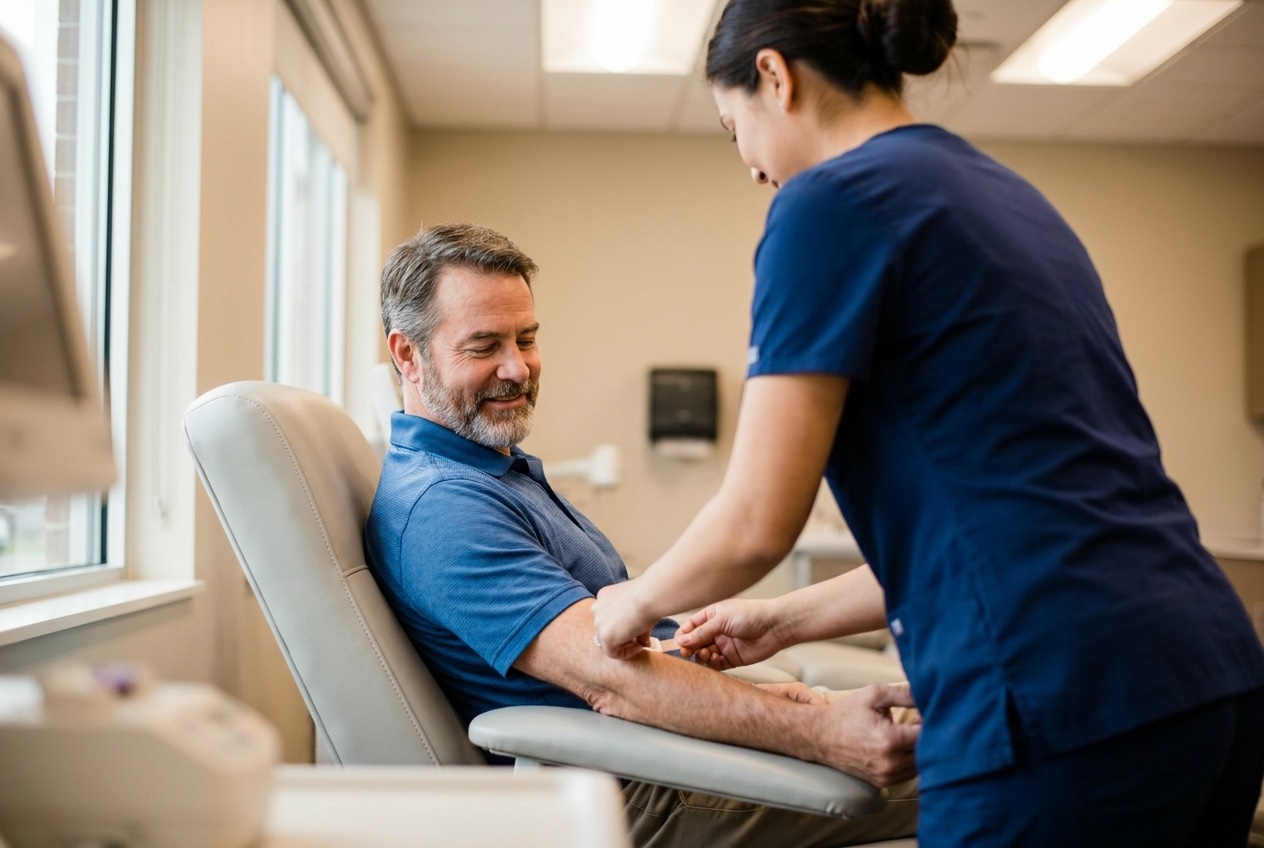
Home testing kits exist and can provide a general reference point, but they measure total testosterone from saliva or a finger-prick blood sample and are generally less accurate than a clinical serum blood test. A proper diagnosis requires lab work ordered by a healthcare provider, ideally taken in the morning when levels are highest.
Does alcohol lower testosterone?
Yes. Chronic alcohol consumption suppresses testosterone production, increases estrogen conversion, and impairs sleep quality — all of which negatively affect testosterone levels. Even moderate regular drinking has measurable hormonal effects over time.
What symptoms suggest my testosterone is clinically low?
Common symptoms include persistent fatigue, reduced libido, difficulty building or maintaining muscle, increased body fat (particularly abdominal), brain fog, low mood, and reduced morning erections. These symptoms overlap with other conditions, which is why blood testing is essential for an accurate diagnosis.
Is TRT safe if I've already tried natural approaches?
For men with confirmed low testosterone and persistent symptoms, TRT is considered safe and effective when managed by a qualified provider. Risks exist and should be discussed thoroughly with a clinician who specializes in men's hormonal health.
Bottom Line
Natural strategies to boost testosterone are real, evidence-based, and worth implementing — for every man, regardless of whether he pursues TRT. Prioritizing sleep, lifting heavy, reducing excess body fat, managing stress, and correcting nutritional deficiencies all support your hormonal health in measurable ways. These are not optional lifestyle bonuses; they are foundational to how well your body functions.
But if you have done the work — if your sleep is dialed in, your training is consistent, and your diet is solid — and you still feel the persistent symptoms of low testosterone, that is important clinical information. It suggests your body may not be producing adequate testosterone regardless of optimal lifestyle, and that warrants a proper evaluation.
The right next step is a blood test and a conversation with a provider who specializes in men's hormonal health. TRT Locator connects men with vetted TRT clinics across the country so you can get accurate answers and evidence-based treatment when you need it.
Find a TRT clinic near you at TRTLocator.com →
This article is for informational purposes only and does not constitute medical advice. Always consult a qualified healthcare provider before beginning any new treatment or making changes to your health regimen.
Find a TRT clinic near you →