This article is for informational purposes only and does not constitute medical advice. Always consult a qualified healthcare provider before starting any treatment.
Introduction — Why This Topic Matters
When men begin exploring testosterone replacement therapy (TRT), the conversation often starts with a single question: what form of testosterone should I use? Injections tend to dominate the discussion, but topical delivery methods — specifically testosterone cream and testosterone gel — are increasingly popular options that deserve serious consideration. Both are applied directly to the skin, both raise testosterone levels, and yet they differ in meaningful ways that can affect your results, your convenience, and your daily life.
Choosing between a cream and a gel is not a trivial decision. The formulation you use influences how consistently your testosterone levels are maintained, how easily the hormone transfers to partners or children, how well your skin tolerates the product, and even how flexible your dosing can be. For men who prefer to avoid needles or who want a discreet, at-home routine, understanding these differences is an important first step toward finding the right treatment path.
What It Is / How It Works
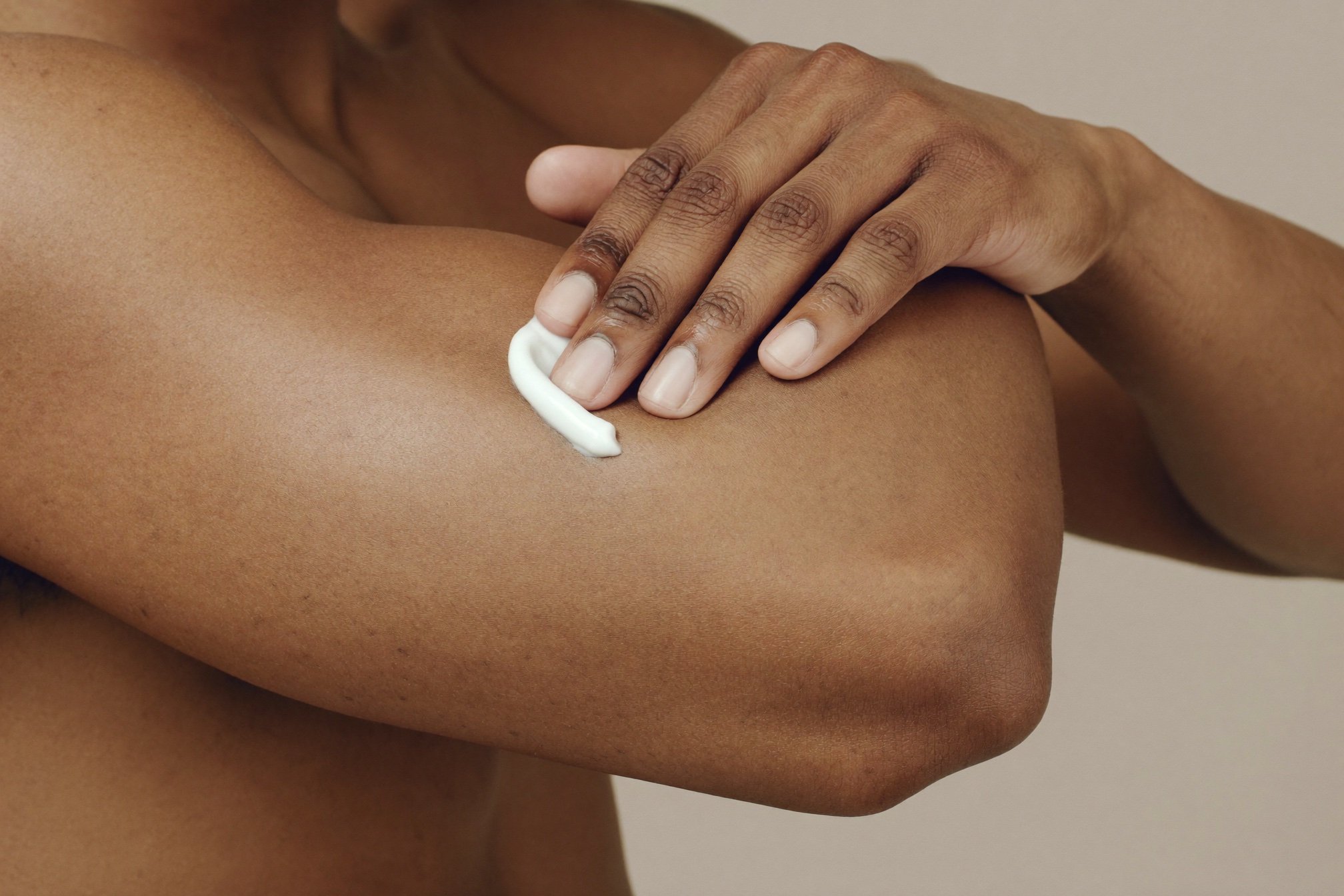
Both testosterone cream and testosterone gel are transdermal delivery systems, meaning they deliver testosterone through the skin and into the bloodstream. Despite sharing that fundamental mechanism, the two formulations have distinct compositions and absorption profiles.
Testosterone Gel
Testosterone gels — such as commercially available prescription products — use an alcohol-based or hydroalcoholic carrier. When applied to the skin, the alcohol evaporates quickly, leaving behind the testosterone to absorb through the outer skin layer. Gels are typically applied once daily to the shoulders, upper arms, or abdomen. The rapid evaporation means the product dries fast, but it also means a portion of the testosterone evaporates along with the carrier before it can be fully absorbed.
Testosterone Cream
Testosterone creams are most commonly compounded formulations prepared by a compounding pharmacy to a physician's exact specifications. They use an oil- or water-based emollient carrier that does not evaporate the same way alcohol does. This slower, more occlusive delivery may allow for greater absorption efficiency in some men. Creams can also be applied to a wider range of sites, including the scrotum — an area with significantly thinner skin and higher permeability — which can produce notably higher absorption rates compared to other body sites.
Key Benefits
Benefits of Testosterone Gel
- Convenience: Dries quickly, integrates easily into a morning routine, and leaves no greasy residue.
- Standardized dosing: Commercially manufactured gels come in pre-measured pump doses, making consistent application straightforward.
- Widely studied: Gels have a long track record in clinical research and are approved by the FDA for hypogonadism treatment.
- Steady hormone levels: Once-daily application tends to produce relatively stable serum testosterone throughout the day.
Benefits of Testosterone Cream
- Customizable concentration: Because creams are typically compounded, a prescribing physician can adjust the concentration and dose with precision.
- Potentially higher absorption: Scrotal application of cream has been shown in clinical practice to produce higher testosterone and DHT levels compared to other application sites.
- Skin tolerance: Men who find alcohol-based gels irritating often tolerate cream formulations better.
- Cost flexibility: Compounded creams may offer cost advantages for men without insurance coverage for branded gel products.
Risks and Potential Side Effects
Like any form of TRT, both creams and gels carry risks. Understanding them helps you make an informed choice alongside your healthcare provider.
Shared Risks for Both Formulations
- Secondary exposure (transfer risk): Testosterone can transfer to partners or children through skin-to-skin contact. This is one of the most important safety concerns with any topical TRT. Covering the application site or washing hands thoroughly after application significantly reduces this risk.
- Polycythemia: Elevated red blood cell count is a known risk with all forms of TRT and requires monitoring via periodic blood work.
- Suppression of natural testosterone production: Exogenous testosterone suppresses the body's own production, which is expected and managed as part of ongoing care.
- Skin irritation: Redness, itching, or dryness at the application site can occur with either formulation.
- Elevated estrogen levels: Testosterone can convert to estradiol via aromatization, potentially causing symptoms like water retention, mood changes, or gynecomastia if unmanaged.
Cream-Specific Considerations
Scrotal application of cream often produces elevated dihydrotestosterone (DHT) levels due to the high concentration of 5-alpha reductase enzyme in scrotal tissue. While some men and clinicians view higher DHT favorably (for libido and energy), it is worth discussing with your provider, particularly if you have a history of prostate concerns.
Gel-Specific Considerations
The alcohol content in many gels can cause dryness or irritation, particularly for men with sensitive skin. Additionally, variability in skin absorption from person to person means some men do not achieve adequate testosterone levels even at standard doses.
Who Is a Good Candidate?
Topical testosterone therapies are generally appropriate for men who have been diagnosed with hypogonadism through clinical symptoms and confirmed low testosterone levels via blood testing. Beyond that baseline, individual factors influence which formulation fits best.
- Testosterone gel may be a good fit for men who value a quick-drying, no-fuss application, prefer an FDA-approved standardized product, or have limited access to compounding pharmacies.
- Testosterone cream may be a better fit for men who want dose customization, have experienced poor results or skin irritation with gel, or are open to scrotal application for potentially enhanced absorption.
- Neither topical option is typically recommended as a first choice for men who have intimate partners or young children at home and are unable to reliably prevent skin contact at the application site, though protective measures can mitigate this concern.
A thorough evaluation by a TRT specialist — including a full hormonal panel, health history review, and lifestyle assessment — is the proper starting point for any treatment decision.