Medical Disclaimer: This article is for informational purposes only and does not constitute medical advice. Always consult a qualified healthcare provider before starting any treatment.
Introduction — Why Testosterone Pellets Matter
If you've been researching testosterone replacement therapy (TRT), you've probably encountered several delivery methods — injections, topical gels, patches, and oral formulations. One option that often sparks curiosity — and sometimes confusion — is testosterone pellets. Despite being one of the oldest forms of hormone therapy, pellets remain underutilized and poorly understood by many men just beginning their TRT journey.
That gap in understanding is worth closing. For the right candidate, testosterone pellets offer a level of convenience and hormonal consistency that other delivery methods simply can't match. Rather than thinking about daily applications or weekly injections, men who choose pellet therapy can go months between treatments while maintaining steady testosterone levels in their bloodstream.
This guide breaks down everything you need to know — how pellets work, what to expect during and after insertion, the real benefits and risks, and how to determine whether this approach makes sense for your specific situation.
What It Is / How It Works
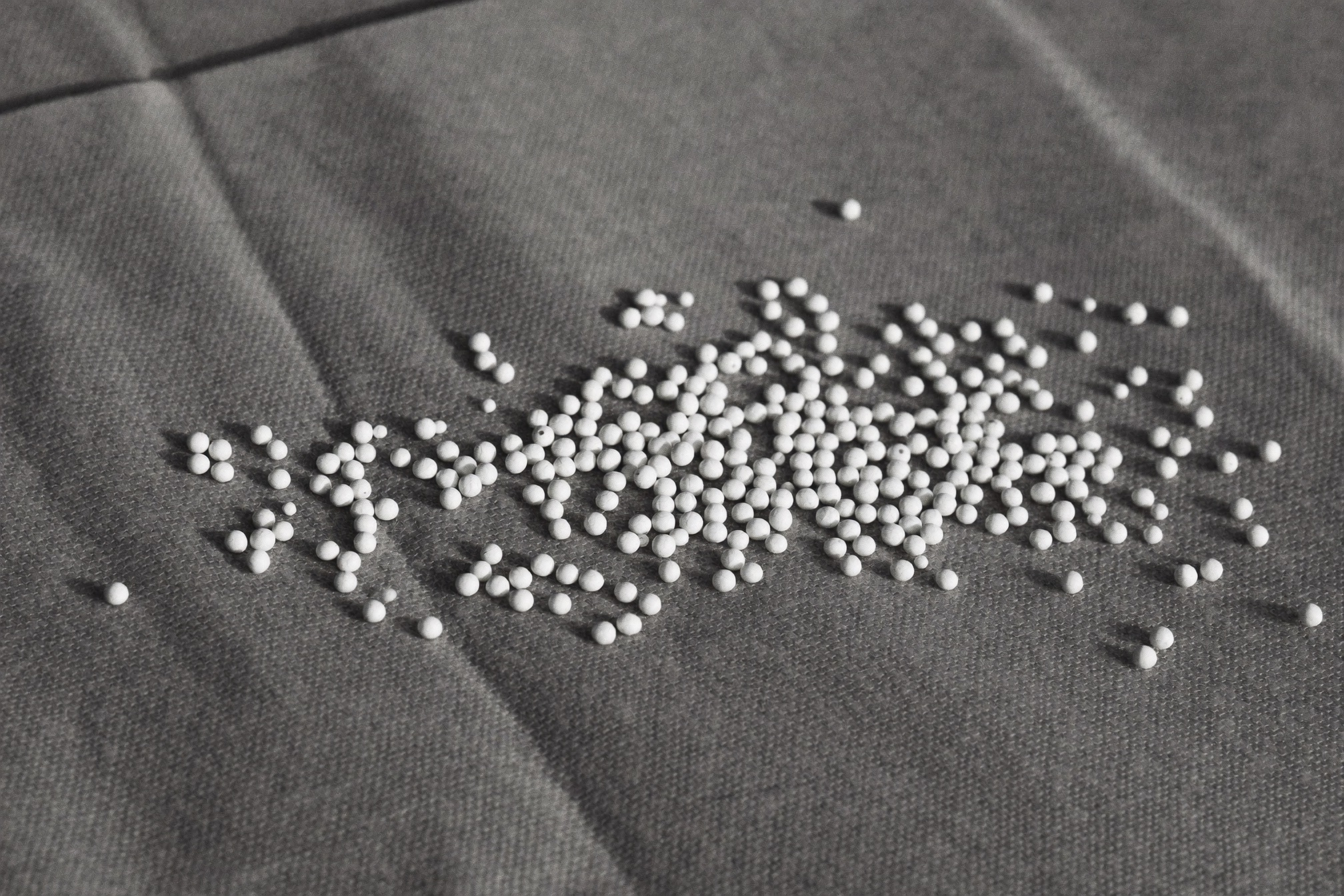
Testosterone pellets are small, solid cylinders — roughly the size of a grain of rice — made from compressed, bioidentical testosterone. They are implanted subcutaneously, meaning just beneath the surface of the skin, typically in the upper buttock or hip area, during a brief in-office procedure.
Once inserted, the pellets dissolve slowly over time, releasing a consistent and steady stream of testosterone directly into the bloodstream. This process mimics the natural hormone secretion patterns of the body more closely than many other delivery methods, which tend to produce peaks and valleys in testosterone levels.
How the Procedure Works
- Consultation and lab work: Your provider orders blood tests to measure your current testosterone levels and assess overall health markers before any treatment begins.
- Dosing calculation: Based on your lab results, symptoms, weight, and activity level, your provider determines the appropriate pellet dosage.
- In-office insertion: The insertion site is cleaned and numbed with a local anesthetic. A small incision is made, and the pellets are placed beneath the skin using a trocar — a thin, hollow instrument. The incision is closed with surgical tape or a small suture and typically heals within days.
- Gradual absorption: Over the following three to six months, your body gradually absorbs the testosterone from the pellets, maintaining stable blood levels throughout that period.
Because pellets release testosterone in response to increased cardiac output — such as during exercise — some research suggests the delivery mechanism may align particularly well with active men's physiological demands.
Key Benefits
Men who switch to pellet therapy often cite a number of practical and clinical advantages over other TRT methods:
- Consistent hormone levels: Unlike injections, which can cause noticeable spikes shortly after administration and drops toward the end of the dosing cycle, pellets provide a steady hormone release with minimal fluctuation.
- Low maintenance: After insertion, there is nothing to remember daily or weekly. Most men require reimplantation only two to four times per year.
- No transfer risk: Topical gels carry a risk of hormone transfer to partners or children through skin contact. Pellets eliminate this concern entirely.
- Bioidentical formulation: Pellets are typically made from bioidentical testosterone, meaning the molecular structure is identical to the testosterone your body naturally produces.
- Improved symptom relief: Many men report improvements in energy, libido, mood, cognitive clarity, muscle mass, and body composition — benefits consistent with TRT in general, but often noted to feel more stable with pellets due to consistent blood levels.
- Discreet and convenient: Once inserted, the pellets are virtually undetectable, and there is no need to store medication or carry supplies.
Risks and Potential Side Effects
Like any medical treatment, testosterone pellet therapy carries potential risks. Being informed about these possibilities helps you have a more productive conversation with your healthcare provider.
Procedural Risks
- Infection: Any incision carries a small risk of infection at the insertion site. Proper aftercare significantly reduces this risk.
- Pellet extrusion: In rare cases, a pellet may work its way toward the surface of the skin and be expelled from the body before fully dissolving.
- Minor bleeding or bruising: Some tenderness and bruising around the insertion site is normal and typically resolves within one to two weeks.
Hormonal and Systemic Risks
- Difficulty adjusting dosage: Unlike injections or gels, pellet dosing cannot be easily changed once implanted. If a dose turns out to be too high, the only option is to wait for the pellets to dissolve.
- Elevated estradiol: Testosterone can convert to estrogen in the body through a process called aromatization. Elevated estrogen levels may cause water retention, mood changes, or breast tissue sensitivity. Providers often monitor estrogen and may prescribe an aromatase inhibitor if needed.
- Polycythemia: TRT of any kind can increase red blood cell production. Elevated hematocrit levels are monitored through routine blood work and managed if necessary.
- Impact on fertility: Exogenous testosterone suppresses natural testosterone production and sperm production. Men who wish to father children should discuss fertility-preserving alternatives with their provider.
Who Is a Good Candidate?
Testosterone pellet therapy tends to work best for men who meet certain criteria. You may be a strong candidate if you:
- Have been diagnosed with clinically low testosterone (hypogonadism) confirmed by blood testing
- Are experiencing symptoms such as fatigue, reduced libido, brain fog, mood changes, or difficulty maintaining muscle mass
- Prefer a low-maintenance treatment that doesn't require daily or weekly administration
- Have a busy lifestyle and find adherence to other TRT methods challenging
- Are not currently trying to conceive
- Have no contraindications such as active prostate cancer or certain cardiovascular conditions
Pellets may be less suitable for men who are new to TRT and still determining their optimal dosage, since the inability to quickly adjust dosing can be a drawback during that initial calibration period.