
Testosterone Replacement Therapy
A comprehensive guide to TRT, the foundation of men's hormone optimization
Find a TRT ClinicWhat Is TRT?
Testosterone replacement therapy (TRT) is a medical treatment that restores testosterone levels in men whose bodies don't produce enough on their own. It's the gold standard treatment for hypogonadism (clinically low testosterone) and has been used safely for over 70 years.
TRT doesn't boost testosterone above natural levels, it replaces what your body should be producing, bringing levels back into a healthy, optimal range (typically 500-1000 ng/dL total testosterone).
Who Is TRT For?
TRT is appropriate for men who have:
- Clinically low testosterone, Confirmed by blood work (typically below 300 ng/dL)
- Symptoms of low T, Fatigue, low libido, erectile dysfunction, brain fog, weight gain, depression
- No contraindications, Active prostate cancer, severe sleep apnea, or very high red blood cell counts may need to be addressed first
TRT is not appropriate for men looking to enhance already-normal testosterone levels, or for men actively trying to conceive (TRT suppresses sperm production).
Delivery Methods
There are several ways to receive testosterone:
- Intramuscular injections, Most common and cost-effective. Learn more about injections
- Subcutaneous injections, Smaller needle, injected into fat tissue
- Topical creams/gels, Applied daily to skin (shoulders, arms, abdomen)
- Pellets, Implanted under the skin every 3-6 months
- Patches, Transdermal patches applied daily
- Nasal gels, Applied inside the nostrils (Natesto)
Ready to find a TRT clinic near you?
Browse 539 Providers →Benefits of TRT
- Increased energy and reduced fatigue
- Improved libido and sexual function
- Better body composition, more muscle, less fat
- Improved mood, motivation, and mental clarity
- Stronger bones and reduced fracture risk
- Better sleep quality
- Improved cardiovascular markers
Potential Risks & Side Effects
Like any medical treatment, TRT has potential side effects that should be monitored:
- Elevated hematocrit, Increased red blood cells (managed with blood donation or dose adjustment)
- Estrogen conversion, Some testosterone converts to estradiol (managed with AI if needed)
- Testicular atrophy, Testes may shrink (managed with HCG if desired)
- Fertility suppression, TRT suppresses sperm production (reversible in most cases)
- Acne, Some men experience skin changes initially
- Hair loss, Possible acceleration in genetically predisposed men
Regular lab monitoring minimizes these risks. A good clinic will check your levels every 3-6 months.
Getting Started
The process for starting TRT typically involves:
- Initial consultation and symptom assessment
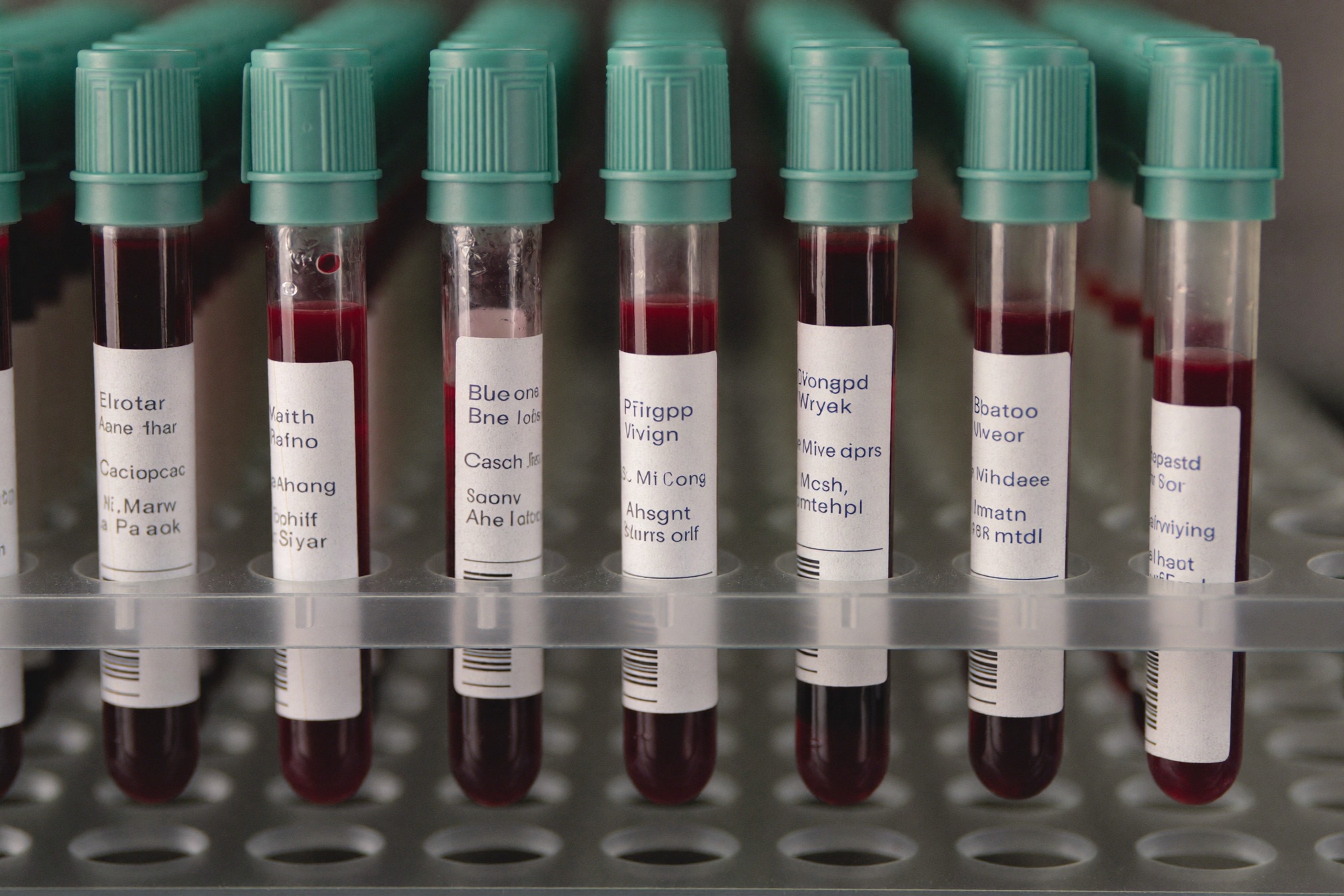
- Comprehensive blood work panel
- Diagnosis and treatment plan discussion
- Start therapy with follow-up labs at 6-8 weeks
- Ongoing optimization every 3-6 months
Find a TRT clinic near you to get started.