
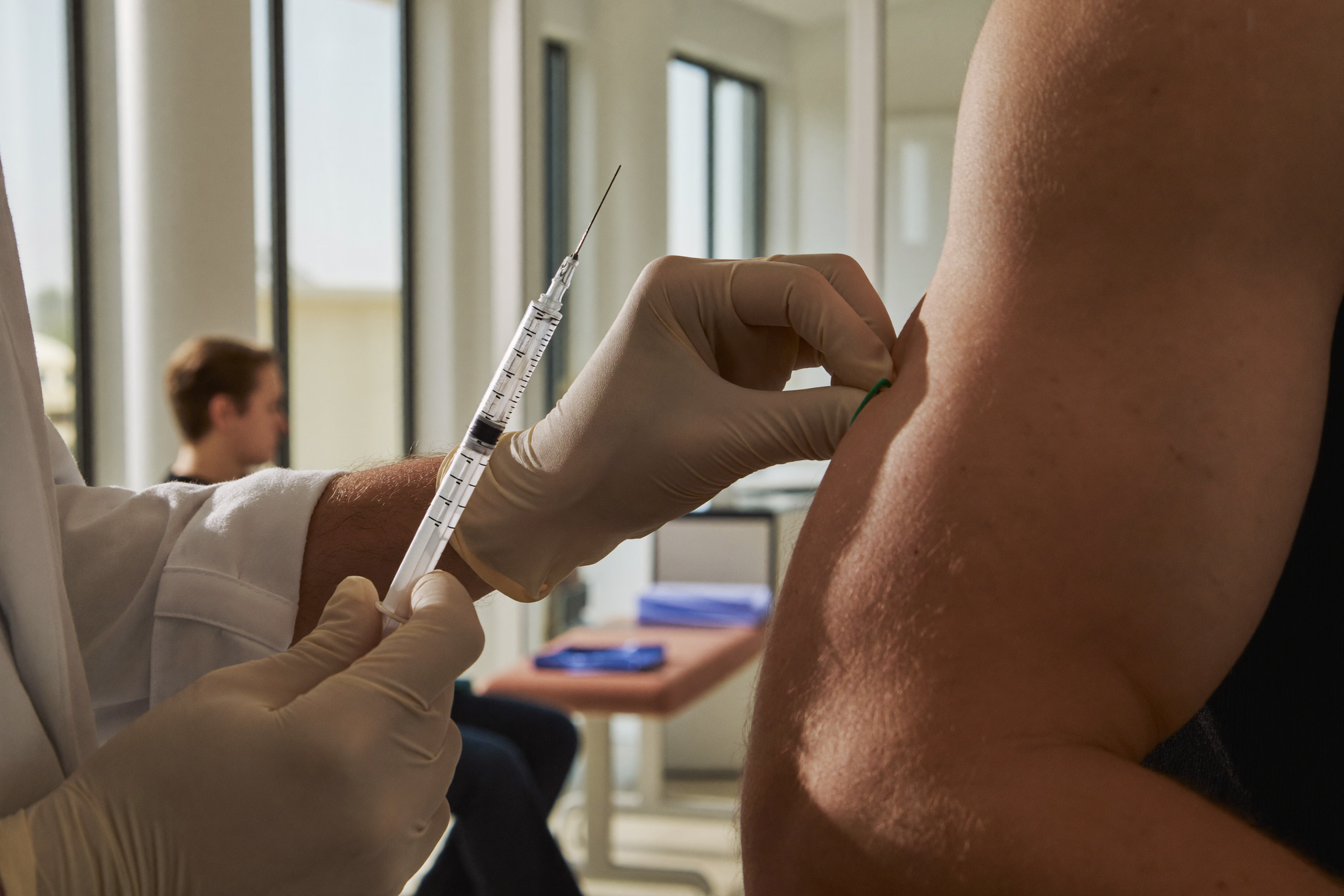
An FDA advisory committee has voted to recommend that four popular peptides, including BPC-157, be added to the list of substances compounding pharmacies are allowed to prepare. The votes were narrow, they went against the recommendation of the FDA's own staff scientists, and they are not binding. The FDA still has to decide, so nothing about what your clinic can legally dispense has changed yet (NPR, 2026).
What the committee actually voted on
The Pharmacy Compounding Advisory Committee (PCAC) met on July 23 and 24, 2026 to review seven peptides nominated for the 503A bulks list. That list governs which bulk drug substances state-licensed compounding pharmacies may legally use, and it exists specifically for ingredients that are not part of a USP monograph and are not in an FDA-approved drug product (RAPS, 2026).
The results from the first day:
- BPC-157 and KPV: recommended, 8 in favor, 6 opposed, 1 abstention
- TB-500: recommended, 8 in favor, 6 opposed, 1 abstention
- MOTS-c: recommended, 7 in favor, 5 opposed, 2 abstentions
The committee reconvened on July 24 to consider Emideltide, Epitalon and Semax (STAT, 2026).
An important distinction that a lot of coverage blurs: these votes would not make any of these peptides FDA-approved drugs. Approval is a separate and far higher bar. The committee is recommending only that pharmacies be permitted to compound them, which still requires a prescription from a licensed physician.
The FDA's own scientists recommended against it
This is the part that makes the vote unusual. FDA staff reviewed the evidence and recommended against adding these compounds. Their stated reasons were specific: a lack of evidence supporting the effectiveness of BPC-157 as a treatment for ulcerative colitis, and the finding that BPC-157 is "not well-characterized," meaning the agency could not establish quality standards for it (RAPS, 2026).
Committee members who voted no raised the absence of randomized controlled trials and said there were too many unknowns about the product. Three adverse event reports were on the record, including one case of injection site swelling and one of shortness of breath, though causality in both was unclear.
The panel voted to recommend the compounds anyway.
Why the vote split the way it did
The composition of the committee explains the margin. Reporting from STAT and NBC News found that all eight of the newly appointed members voted yes on BPC-157, KPV and TB-500, while six established members voted no and one abstained. STAT also reported that a majority of the panelists who voted yes have ties to the peptide industry (STAT, 2026), and NBC News reported the same pattern of industry connections among the panel (NBC News, 2026).
The substantive disagreement underneath the vote is real, and both sides have a coherent position.
Supporters make a harm-reduction argument rather than an efficacy argument. Demand for these compounds is large and growing, and patients who cannot get them from a licensed pharmacy are already buying them from gray-market sellers and overseas websites where nothing is tested, dosing is unverified, and no physician is involved. Routing that demand into FDA-inspected compounding pharmacies, on this view, is the safer of two imperfect options.
Critics make the conventional drug-safety argument. Peptides are real drugs, most of them injectable, and clearing them for compounding without randomized controlled trials sets aside the evidence standard that exists precisely because unverified treatments have caused harm before. Their concern is that the mechanism being used here is a workaround for approval rather than a substitute for it.
What this changes for men considering peptide therapy
Right now, in practical terms, nothing.
The committee's recommendations are advisory. The FDA makes the final determination through formal rulemaking, and the agency has declined to follow advisory committee recommendations in the past, which is a live possibility here given that its own scientists argued the other way. Until the FDA acts, the restricted peptides remain restricted, and any clinic dispensing them today is not operating within the compounding rules.
What has changed is the direction of travel. If the FDA follows these recommendations, BPC-157 and the others would return to legal compounding, meaning pharmacy-grade preparation, a prescription requirement, and a physician accountable for monitoring you. That is a materially different proposition from ordering a vial labeled "for research use only" from an unregulated seller.
Three things worth doing in the meantime. Ask any provider offering these peptides today whether the specific compound is currently permitted for compounding and where they source it, because the honest answer right now is that it is not. Read the regulatory shift and the evidence base as two separate questions, because the panel's vote did not change what the clinical data shows. And if you are already on testosterone therapy, keep any peptide conversation inside that same monitored relationship rather than running a second, unsupervised protocol alongside it.
If you want a provider who treats this as a supervised medical decision, you can browse TRT clinics by state and compare which ones offer peptide therapy alongside hormone treatment.