If you're on testosterone replacement therapy — or thinking about starting — one of the most common questions is how it interacts with exercise. The short answer: strategically combining TRT with a consistent training routine can significantly amplify results. But the relationship between testosterone and exercise is more nuanced than most men realize.
Why Testosterone Matters for Exercise Performance
Testosterone is the primary anabolic hormone in men. It drives protein synthesis — the process your muscles use to repair and grow after training. When testosterone is low, this process slows dramatically. Men with hypogonadism often find that even hard training produces minimal strength or muscle gains. Recovery takes longer. Motivation drops. Energy in the gym feels blunted.
When TRT restores testosterone to an optimal physiological range, these mechanisms re-engage. Protein synthesis improves, muscle fiber repair accelerates, and the hormonal environment becomes conducive to adaptation again.
What Changes When You Train on TRT
Men who start TRT while maintaining consistent exercise typically notice a few key shifts:
Faster muscle recovery. Most men on TRT report that delayed-onset muscle soreness (DOMS) lessens within a few months of starting treatment. Recovery between sessions shortens, which allows for higher training frequency and volume without overtraining.
Improved body composition. TRT shifts the ratio of lean mass to fat mass even without dietary changes. When combined with resistance training, this effect is more pronounced — muscle tissue accrues while fat, especially visceral abdominal fat, decreases.
More consistent energy and drive. One of the most underrated benefits of TRT for exercise is the restoration of training motivation. Low testosterone frequently causes apathy, low drive, and general fatigue that makes it hard to show up to the gym consistently. Many men report a notable shift in their desire and energy to train within weeks of starting treatment.
Strength gains resume. Men on TRT who had plateaued in their strength training often see progress resume after treatment begins. The hormonal foundation for adaptation is restored.
Resistance Training vs. Cardio on TRT
Both forms of exercise are valuable on TRT, but they interact with testosterone differently.
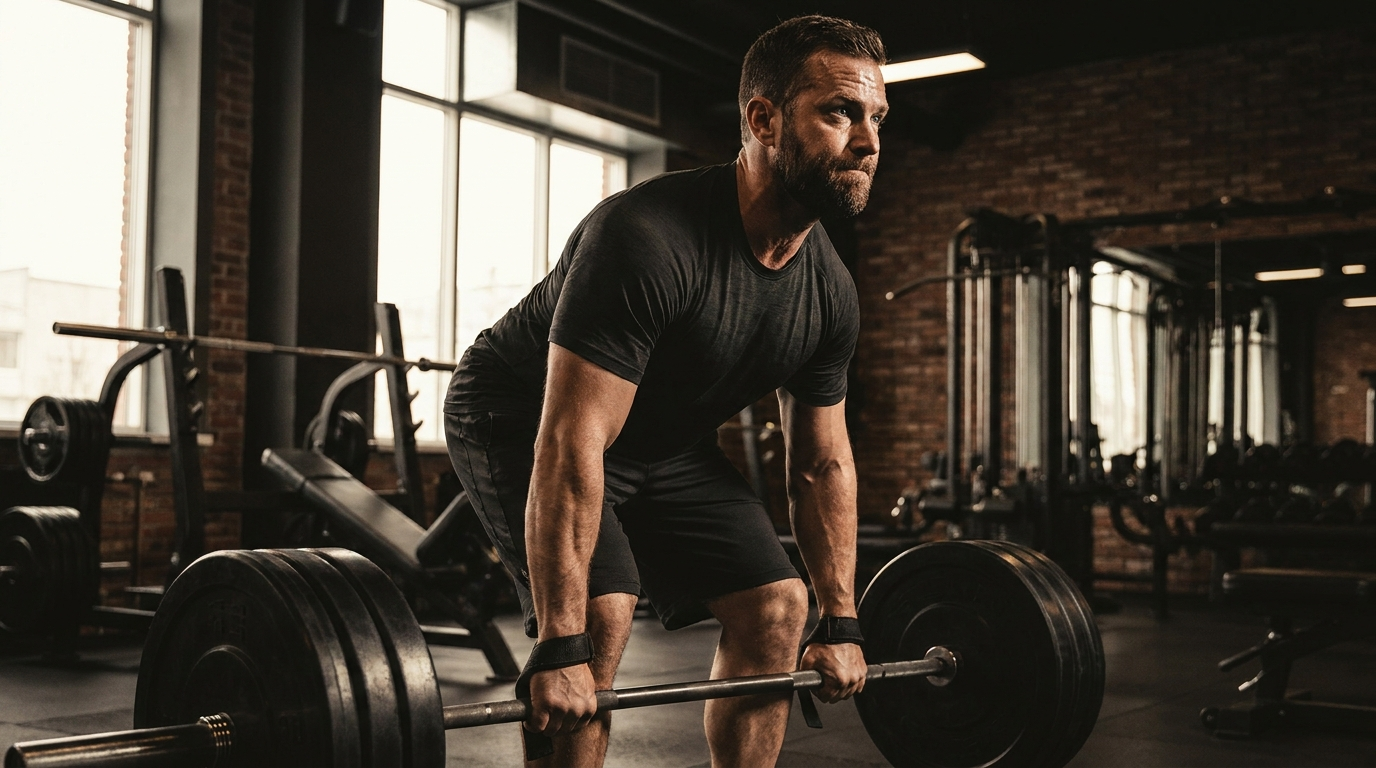
Resistance training is the most powerful complement to TRT. Heavy compound movements — squats, deadlifts, rows, presses — acutely stimulate testosterone release in the hours after training and create the mechanical stimulus that TRT's anabolic environment can then act on. Men on TRT who prioritize resistance training see the most significant body composition and strength improvements.
Cardiovascular exercise improves insulin sensitivity and cardiovascular health, which supports overall hormonal balance. Moderate-intensity steady-state cardio (running, cycling, swimming) is beneficial and doesn't meaningfully suppress testosterone when kept to reasonable volumes. However, excessive endurance training — particularly high-volume long-distance running — can transiently suppress testosterone even in men on TRT, due to elevated cortisol and caloric stress.
The practical recommendation for most men on TRT: 3–4 days of resistance training per week, supplemented by 2–3 sessions of moderate cardio. This combination maximizes body composition benefits while supporting cardiovascular health.
How TRT Affects Exercise Hormonal Dynamics
Men not on TRT experience a natural testosterone spike during and after strength training. This spike is blunted in men with hypogonadism, which is one reason they adapt poorly to training. On TRT, your baseline testosterone is stabilized at a therapeutic level, so you don't rely as heavily on this training-induced spike — your baseline is already elevated.
The practical effect: TRT creates a more consistently anabolic hormonal environment around the clock, not just in the post-workout window. This is one reason men on TRT often notice improvements in body composition even between intense training cycles.
Nutrition on TRT: What Supports Best Results
TRT doesn't replace sound nutrition — it amplifies what you're already doing. Men who see the best exercise outcomes on TRT typically:
- Eat sufficient protein. 0.7–1.0 grams of protein per pound of bodyweight supports muscle protein synthesis. Without adequate protein, even optimal testosterone can't build muscle efficiently.
- Eat in a slight caloric surplus if building muscle — TRT does not generate muscle mass from nothing; training stimulus and calories are still required.
- Avoid chronic caloric restriction — severe calorie deficits elevate cortisol, which antagonizes testosterone's anabolic effects. Cut slowly and moderately if fat loss is the goal.