
Injections and pellets are two of the most common ways to deliver testosterone replacement therapy, and the right choice usually comes down to how much you want to manage your own dosing versus how much you're willing to trade for convenience. Injections are self-administered weekly or every other week, cost less per month, and let you adjust dose quickly. Pellets are implanted in a quick in-office procedure every three to six months and hold testosterone levels steadier, but they cost more upfront and can't be adjusted once placed.
How Do TRT Injections Work?
Injectable testosterone, usually testosterone cypionate or enanthate, is delivered intramuscularly or subcutaneously with a needle you administer yourself at home. Most protocols call for a dose every five to fourteen days, since the ester attached to the testosterone molecule controls how slowly it releases into the bloodstream (American Urological Association, "Evaluation and Management of Testosterone Deficiency" Guideline, 2018).
Because injections release testosterone in a curve rather than a flat line, levels peak a day or two after the shot and taper toward the next dose. Many men on weekly injections notice this as a mild energy or mood dip in the days before their next shot, which is one reason some clinics move patients to smaller, more frequent doses (twice weekly or every other day) instead of one large weekly dose.
How Do Testosterone Pellets Work?
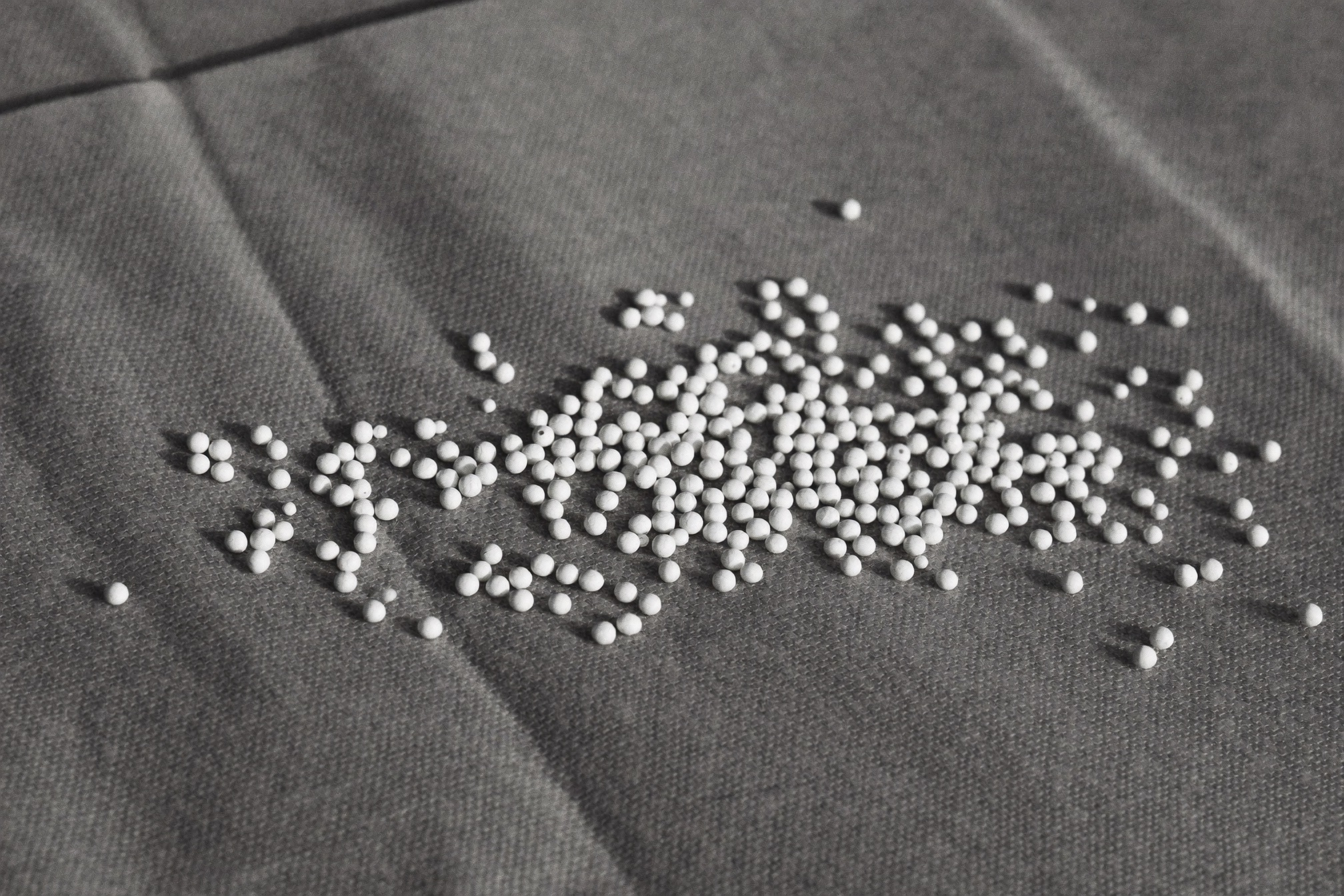
Pellets are small, rice-sized cylinders of crystalline testosterone implanted just under the skin, typically in the hip or buttock, through a small incision made with a local anesthetic. Testopel, the FDA-approved pellet formulation, contains 75 mg of testosterone per pellet, and a typical dose uses 8 to 12 pellets depending on body weight and target levels (DailyMed, "TESTOPEL (testosterone pellet)" Prescribing Information, NIH, U.S. National Library of Medicine).
Once placed, the pellets dissolve gradually over three to six months, releasing testosterone at a relatively steady rate without the peaks and troughs seen with injections. The tradeoff is that once they're in, the dose can't be adjusted until the next insertion cycle, so getting the starting dose right matters more than it does with injections.
Which Method Keeps Testosterone Levels More Stable?
Pellets generally produce flatter, more consistent testosterone levels over their multi-month cycle than injections do over a one- or two-week cycle. Injections create a sawtooth pattern, a peak shortly after the dose and a trough right before the next one, while pellets avoid the day-to-day swing but can drift toward the lower end of the normal range as the implant nears the end of its cycle. The Endocrine Society's clinical practice guideline notes that dosing frequency and formulation both affect how much a patient's testosterone level fluctuates between visits, and recommends tailoring the delivery method to the individual's symptom pattern and lab response (Bhasin S, et al. "Testosterone Therapy in Men With Hypogonadism: An Endocrine Society Clinical Practice Guideline." J Clin Endocrinol Metab, 2018).
What Do Injections and Pellets Cost?
Injections are usually the cheaper option month to month. A vial of testosterone cypionate plus syringes typically runs lower than an equivalent pellet insertion, and many telehealth TRT programs bundle injectable testosterone into a flat monthly subscription. Pellets cost more per visit since the price includes both the pellets themselves and the minor procedure to place them, but that cost is spread across three to six months instead of paid monthly, so the total annual cost can land closer than the sticker price suggests. If cost is the deciding factor for you, our 2026 TRT cost breakdown walks through real pricing by delivery method, and clinics in high-demand states like Texas often list pellet and injection pricing side by side.