
Men researching low testosterone often face the same fork in the road: go the prescription route with testosterone replacement therapy (TRT), or try natural testosterone boosters first? Both camps have vocal advocates online. Here is a clear-eyed look at what each option is, what the evidence actually shows, and how to think through the decision.
What Is TRT?
Testosterone replacement therapy (TRT) is a medically supervised treatment that delivers exogenous (externally sourced) testosterone directly into your body. It comes in several forms:
- Intramuscular or subcutaneous injections (testosterone cypionate or enanthate) — the most common and cost-effective method
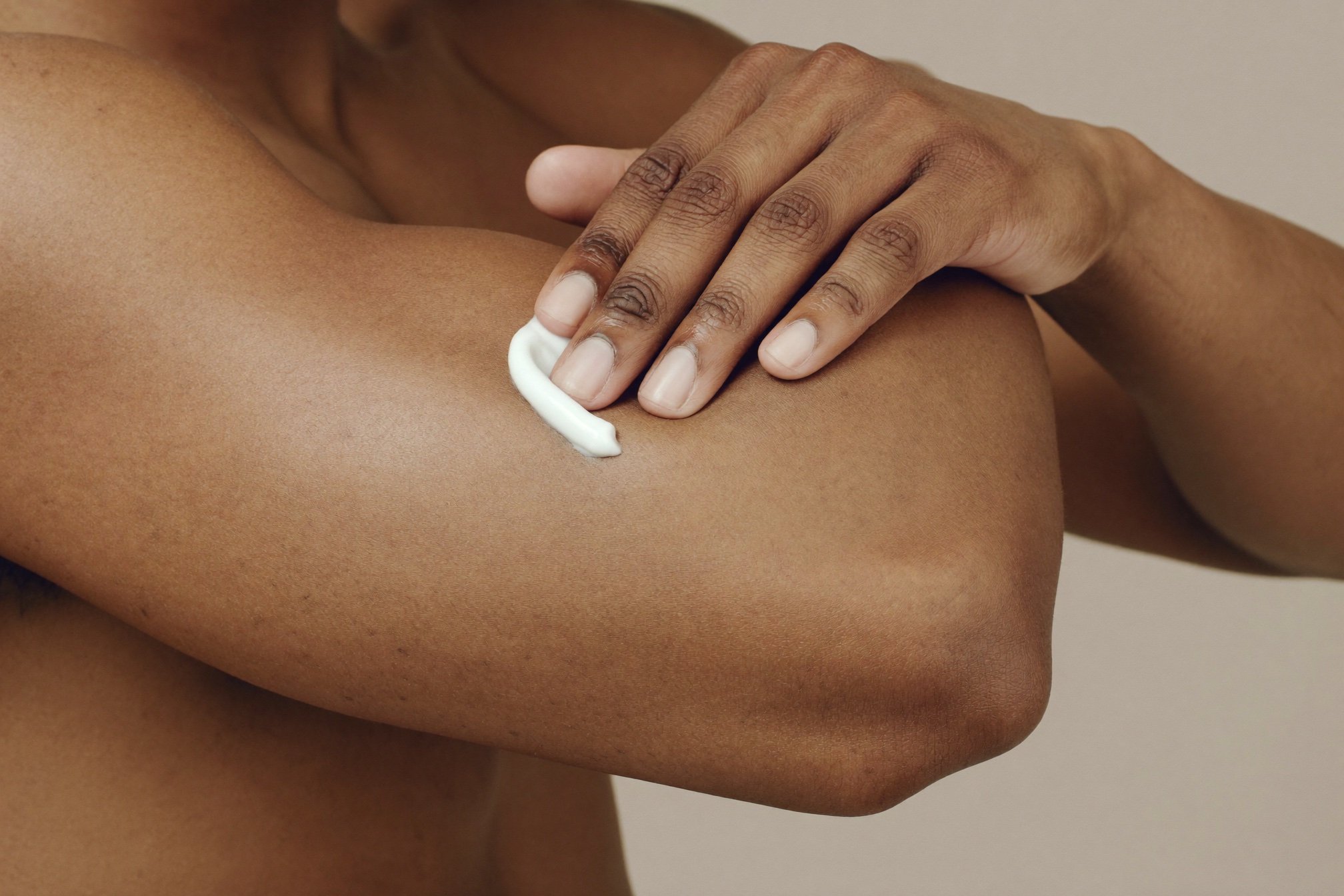
- Transdermal gels and creams — applied daily to skin
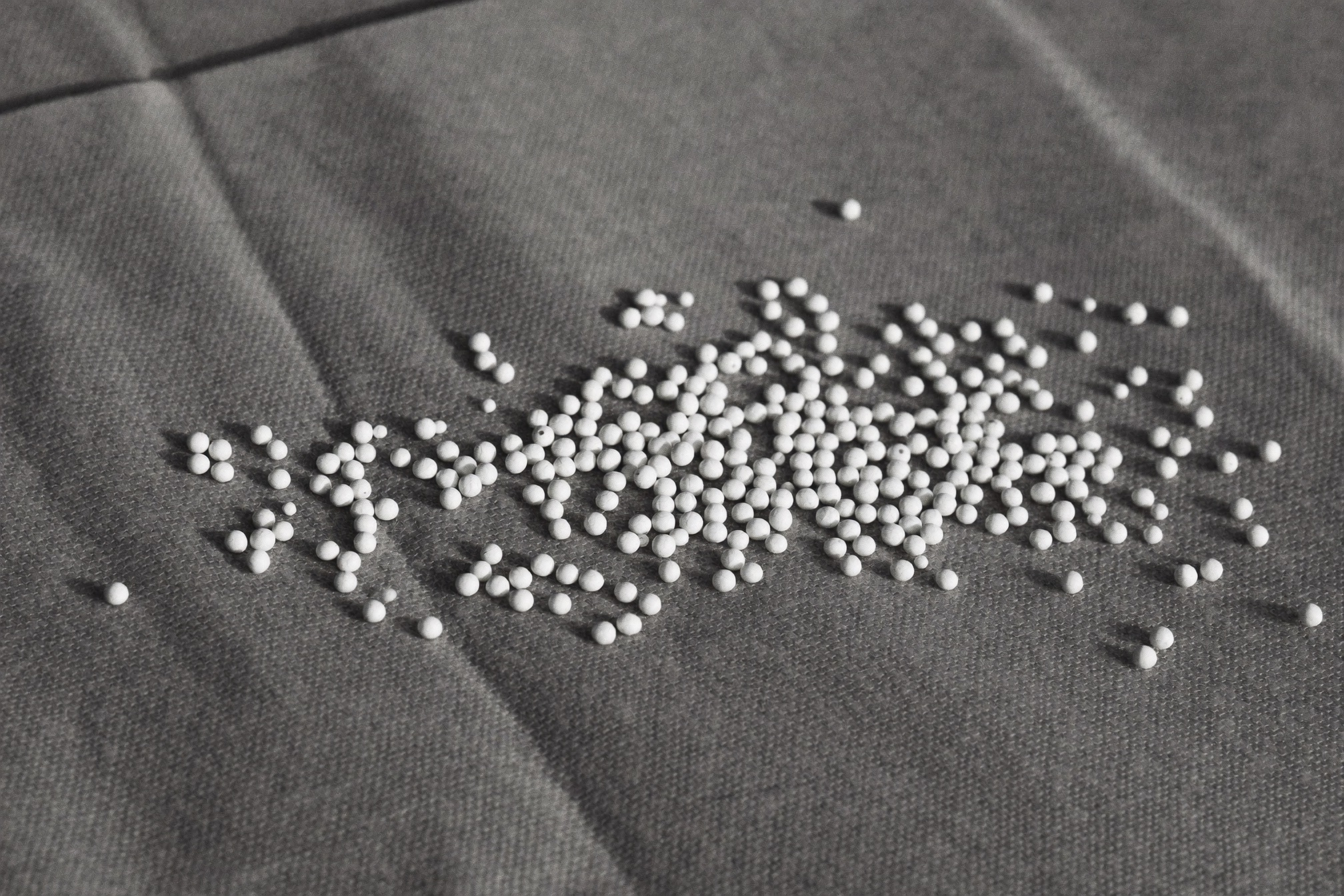
- Pellets — small cylinders implanted under the skin every 3–6 months
- Oral capsules (e.g., Jatenzo, Kyzatrex) — a newer, growing category
TRT requires a prescription and a diagnosis of hypogonadism, typically confirmed by two morning blood draws showing total testosterone below 300 ng/dL alongside symptoms such as fatigue, low libido, or reduced muscle mass.
Bottom line on TRT: It works. Multiple clinical trials confirm that TRT reliably raises testosterone levels into the normal range and reduces symptoms in men with clinically low T. The TRAVERSE trial — a 5,000+ patient cardiovascular safety study — also found no increased risk of major cardiac events in men on TRT.
What Are Natural Testosterone Boosters?
"Natural testosterone boosters" is a broad label that covers dietary supplements marketed to raise testosterone. Common ingredients include:
- D-aspartic acid (DAA)
- Ashwagandha (KSM-66 extract)
- Zinc and magnesium (ZMA blends)
- Fenugreek seed extract
- Vitamin D3
- Tongkat ali (Eurycoma longifolia)
These are sold over the counter, require no prescription, and are widely advertised toward men experiencing low energy, reduced gym performance, or declining libido.
What the Evidence Shows
This is where things diverge sharply.
TRT has decades of rigorous clinical data behind it. It consistently brings testosterone from below-normal into the normal physiological range (300–1,000 ng/dL), and in men with diagnosed hypogonadism, it reliably improves energy, libido, body composition, mood, and bone density.
Natural boosters are a different story. Most have modest, inconsistent effects — and their actual impact on testosterone levels is far smaller than their marketing suggests.
- Ashwagandha has the strongest evidence of the bunch. Several small clinical trials show it may modestly reduce cortisol and support testosterone in men under high physical stress. The effects are real but small.
- Tongkat ali shows some promise for men with stress-related testosterone suppression (not primary hypogonadism), with a few studies showing increases of 15–30%.
- Zinc and vitamin D3 can correct deficiency-driven testosterone drops — but only if you were actually deficient to begin with.
- D-aspartic acid showed early promise in small studies; later, larger trials failed to replicate meaningful benefits.
The pattern: natural boosters may help optimize testosterone at the margins for men whose levels are low-normal (say, 300–450 ng/dL) due to lifestyle factors like poor sleep, high stress, or nutritional gaps. They are not a substitute for TRT in men with true hypogonadism.
Who Each Option Is Right For
Consider natural approaches first if:
- Your testosterone is in the low-normal range (350–500 ng/dL) and symptoms are mild
- You have clear correctable factors: poor sleep, obesity, high stress, alcohol use, vitamin D deficiency
- You are in your 20s or early 30s and have not yet optimized lifestyle basics
- You are concerned about TRT's effect on fertility and are trying to conceive
TRT is likely the right path if:
- You have confirmed hypogonadism (testosterone consistently below 300 ng/dL with symptoms)
- You've already addressed lifestyle factors without meaningful improvement
- Symptoms — fatigue, low libido, loss of muscle, depression — are significantly impacting quality of life
- You are over 40 and dealing with age-related testosterone decline